Subsurface
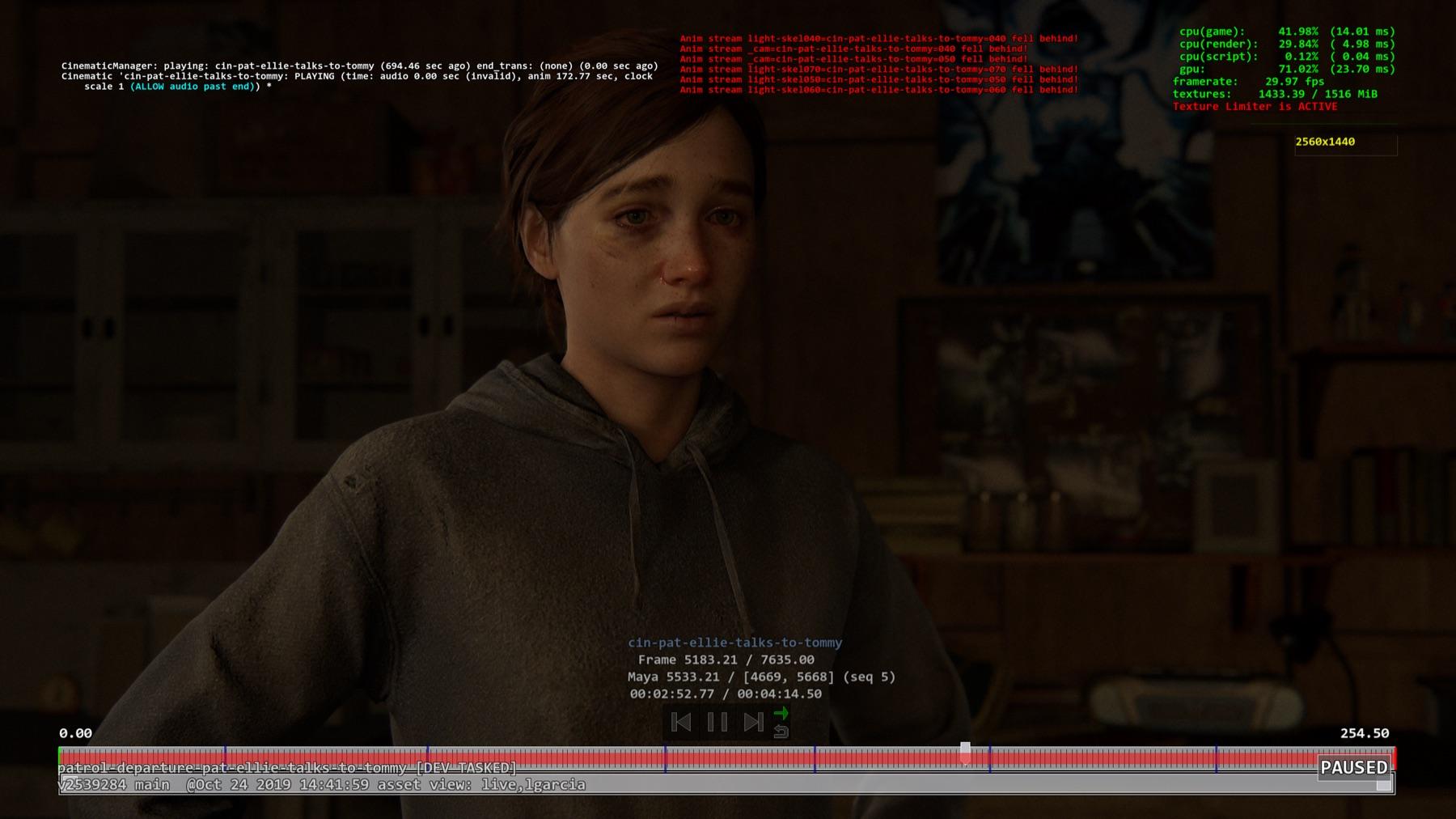
Skin
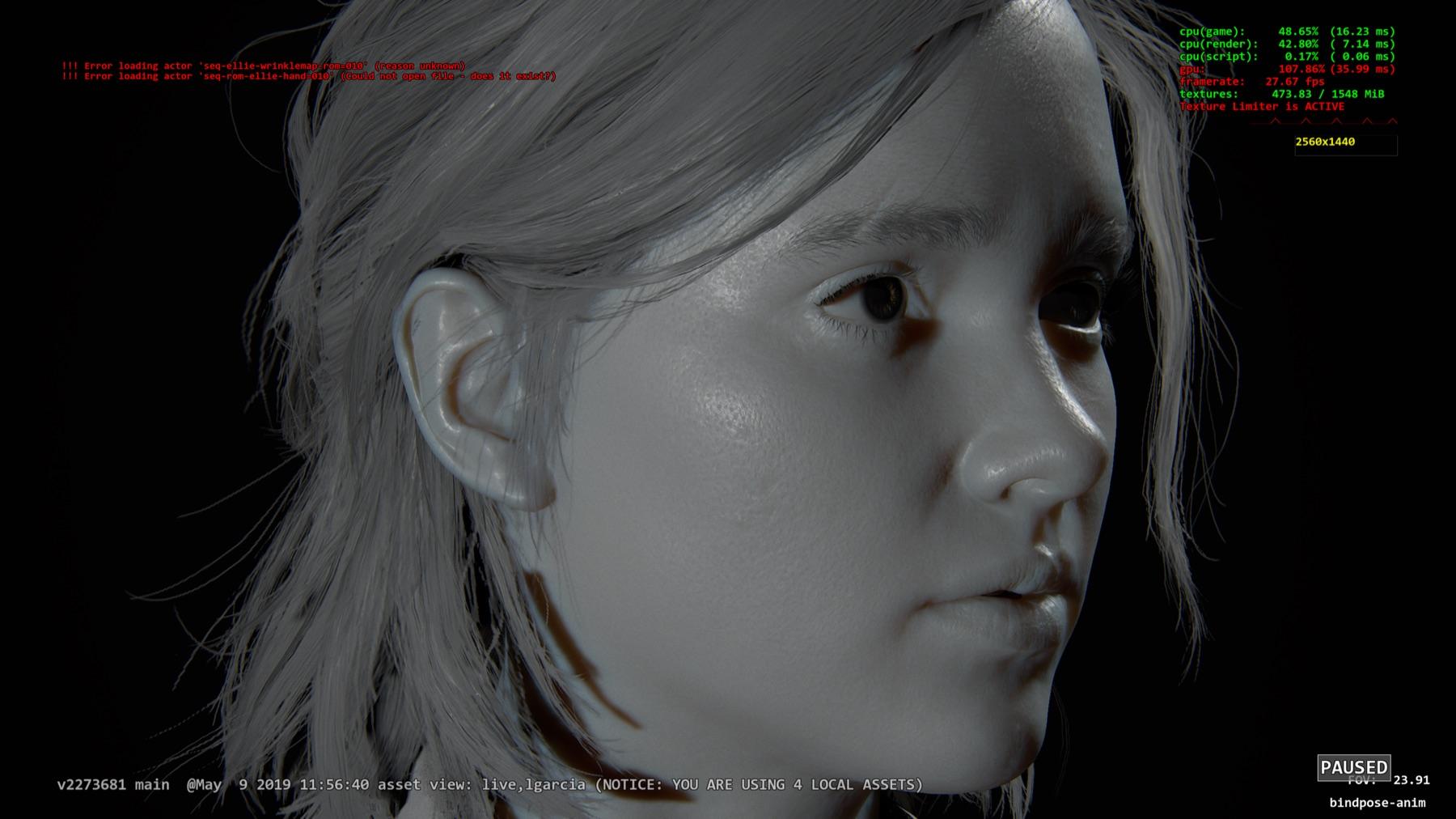
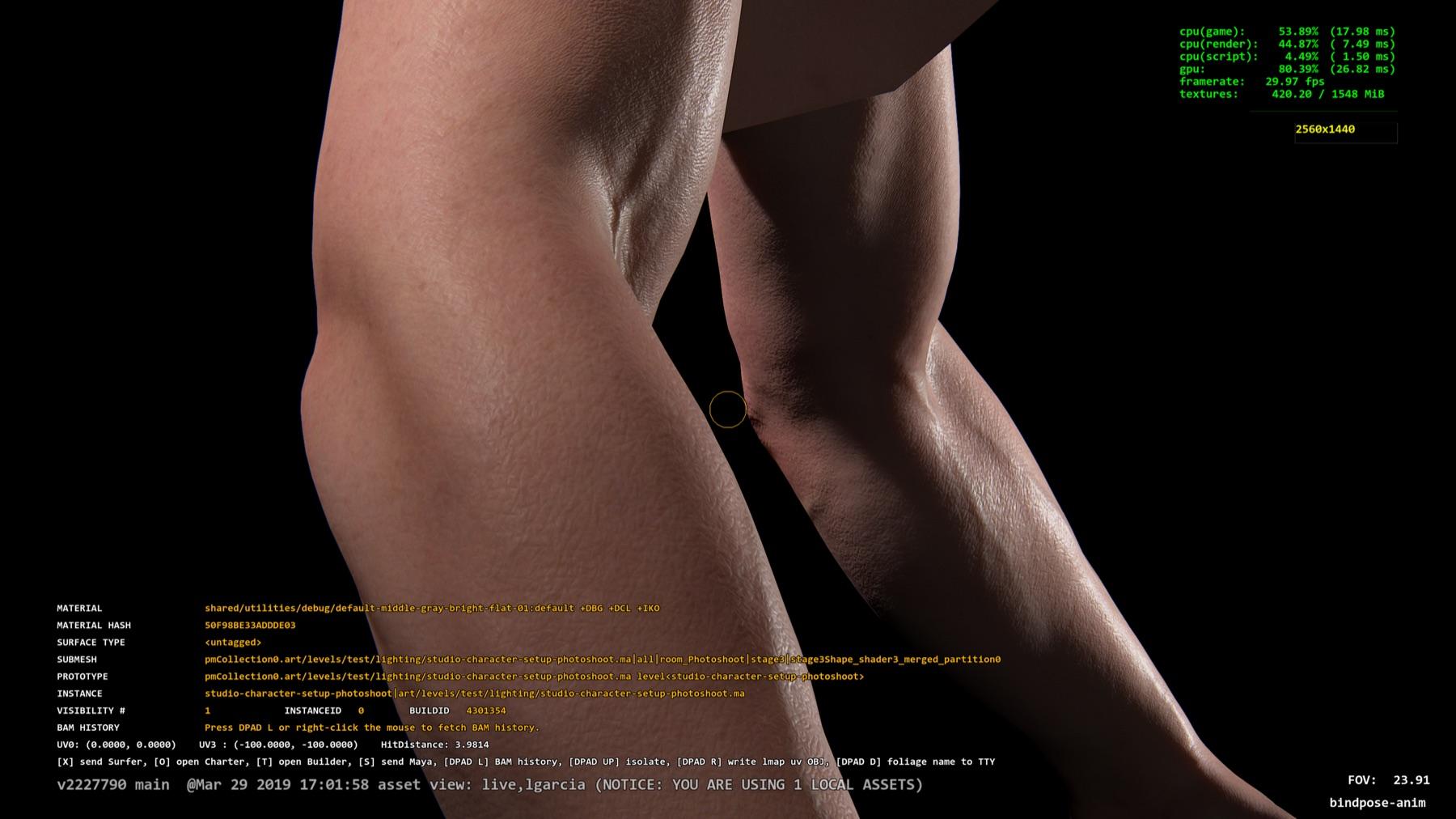
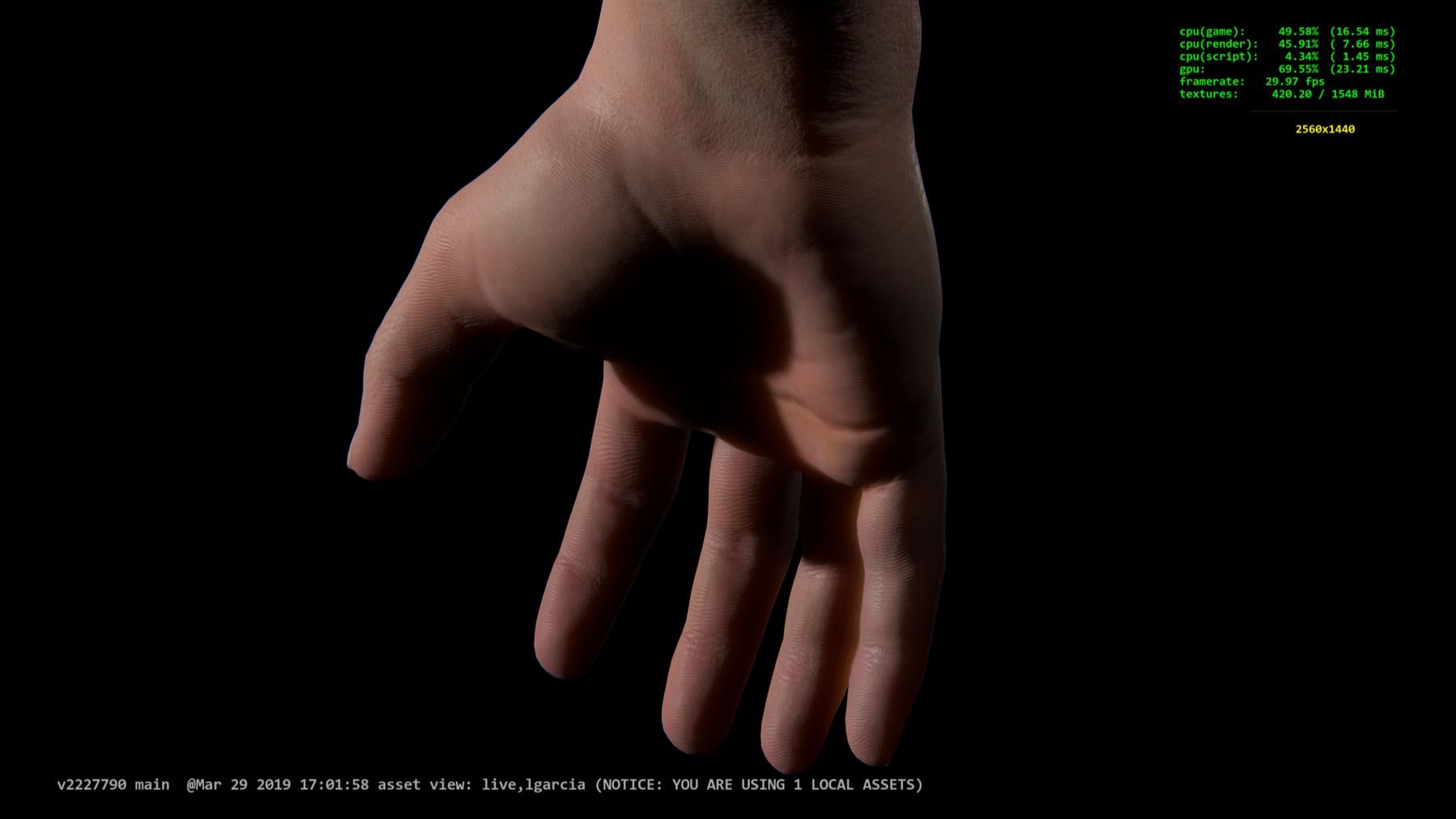
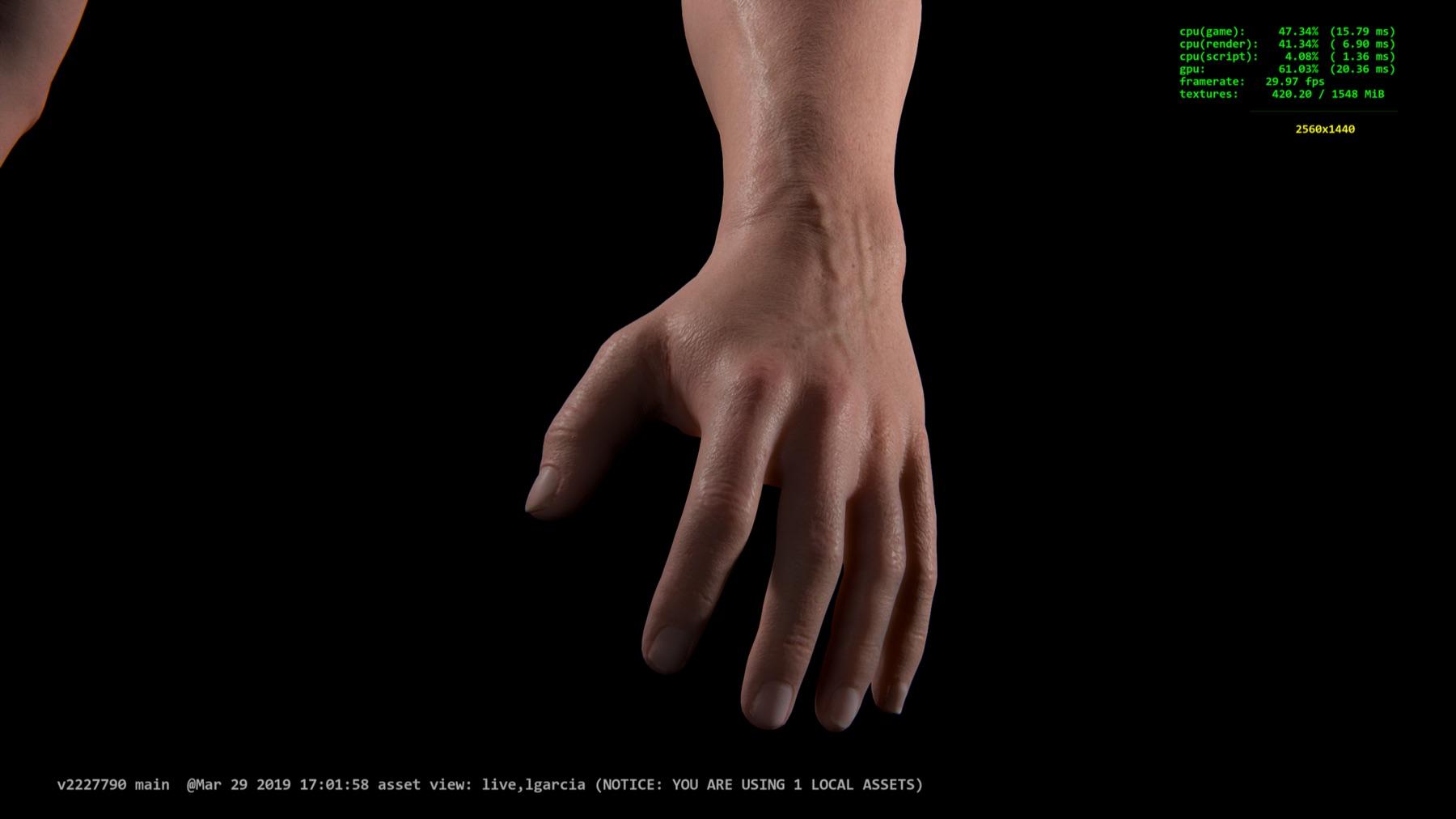
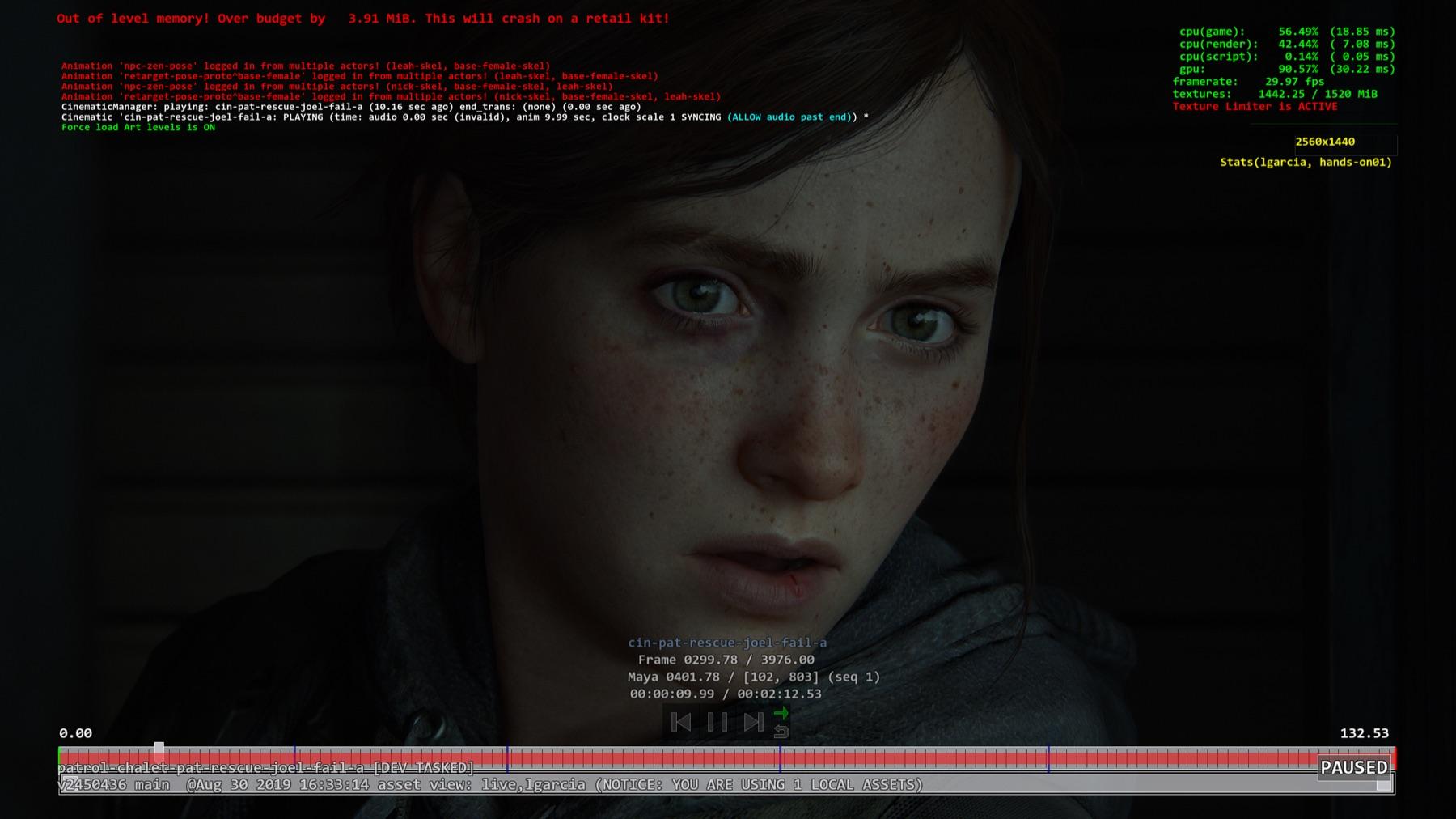
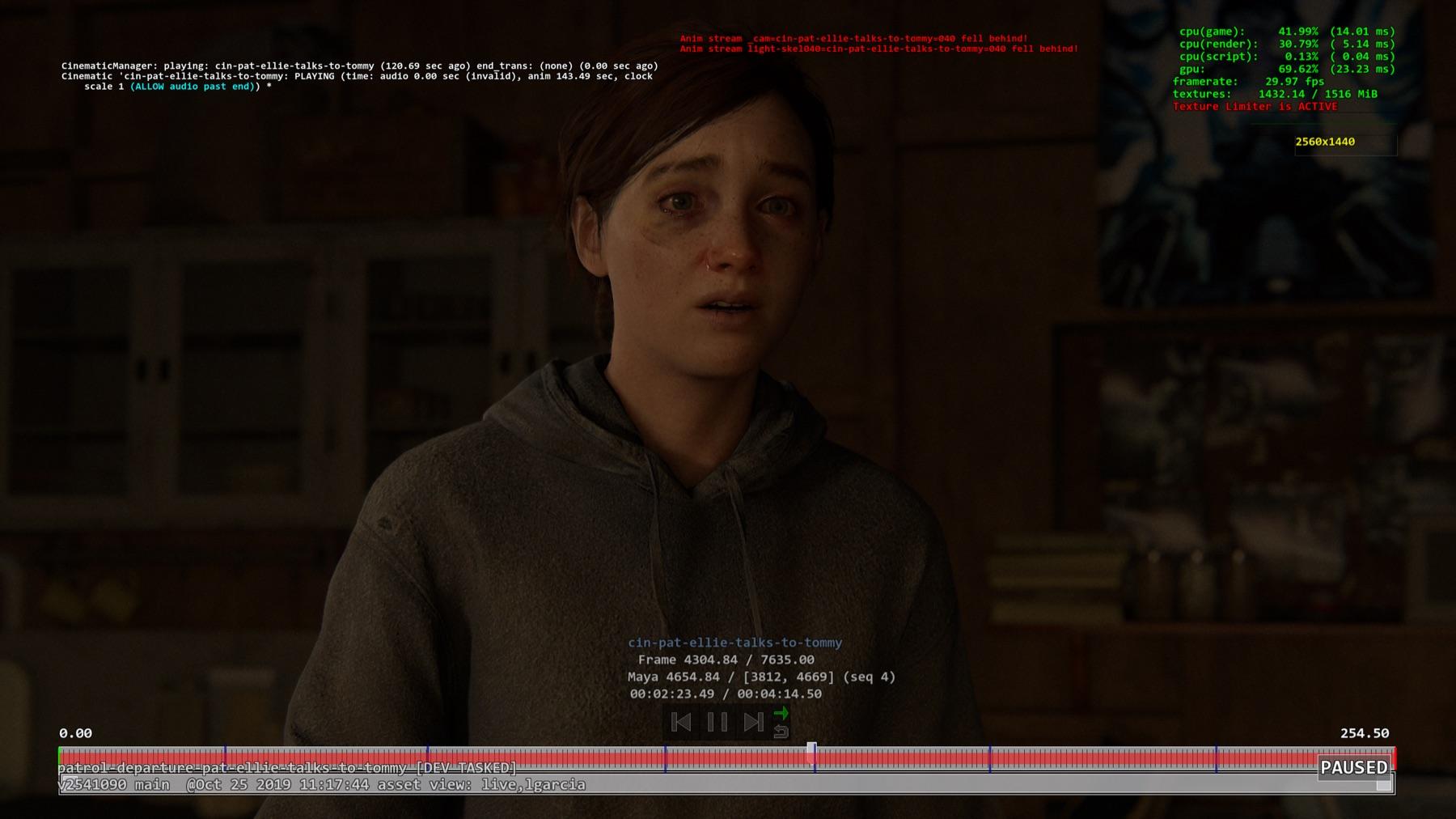
Multi-layer subsurface scattering and a custom BRDF — carrying heroes from cinematic close-up to real-time performance without losing the warmth of living tissue.
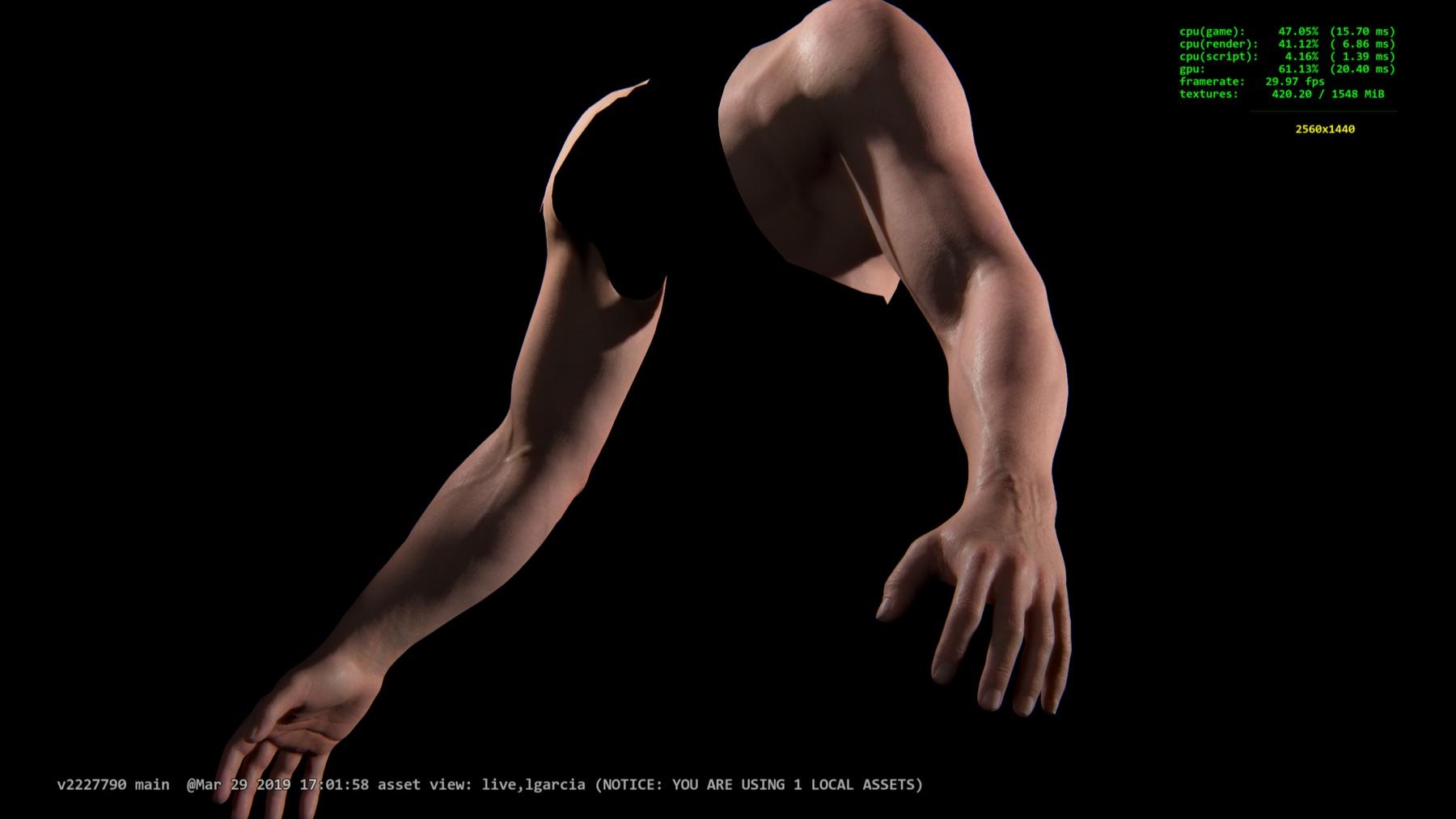
A decade of technical direction across film and games — shading systems, materials, rendering. Kept as the foundation underneath the current AI work: I automate what I first mastered by hand.
Reel below is from 2022, before Sony. For current AI work, see the Hair System case study.
Selected craft work, pre-Sony.
A decade of skin, fabric, weather, and damage — rendered in the seam between film craft and real-time games.
Seven studies from production work at Naughty Dog and earlier shading research. Selected stills, captions written from the technical memory.
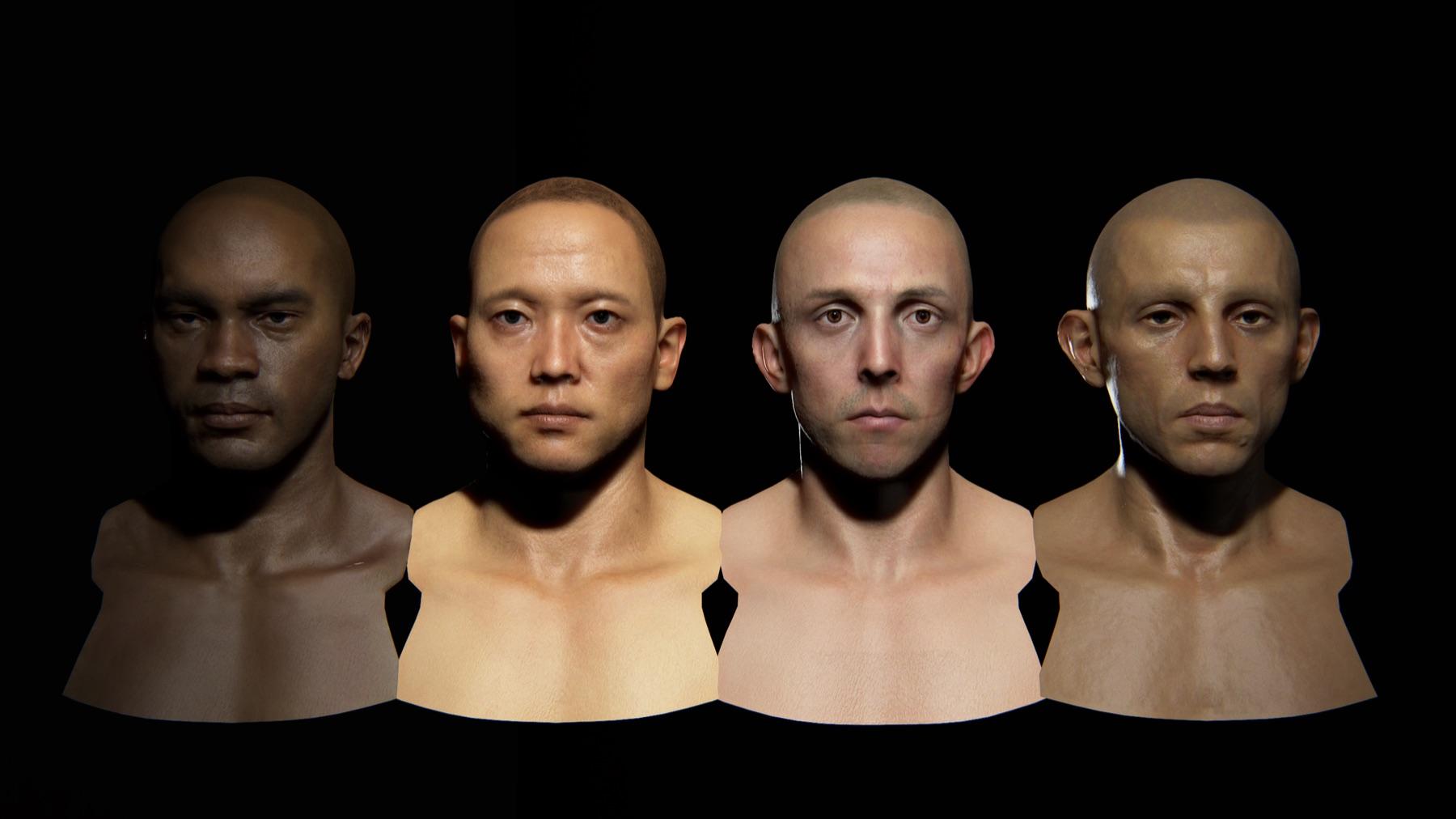
Multi-layer subsurface scattering and a custom BRDF — carrying heroes from cinematic close-up to real-time performance without losing the warmth of living tissue.
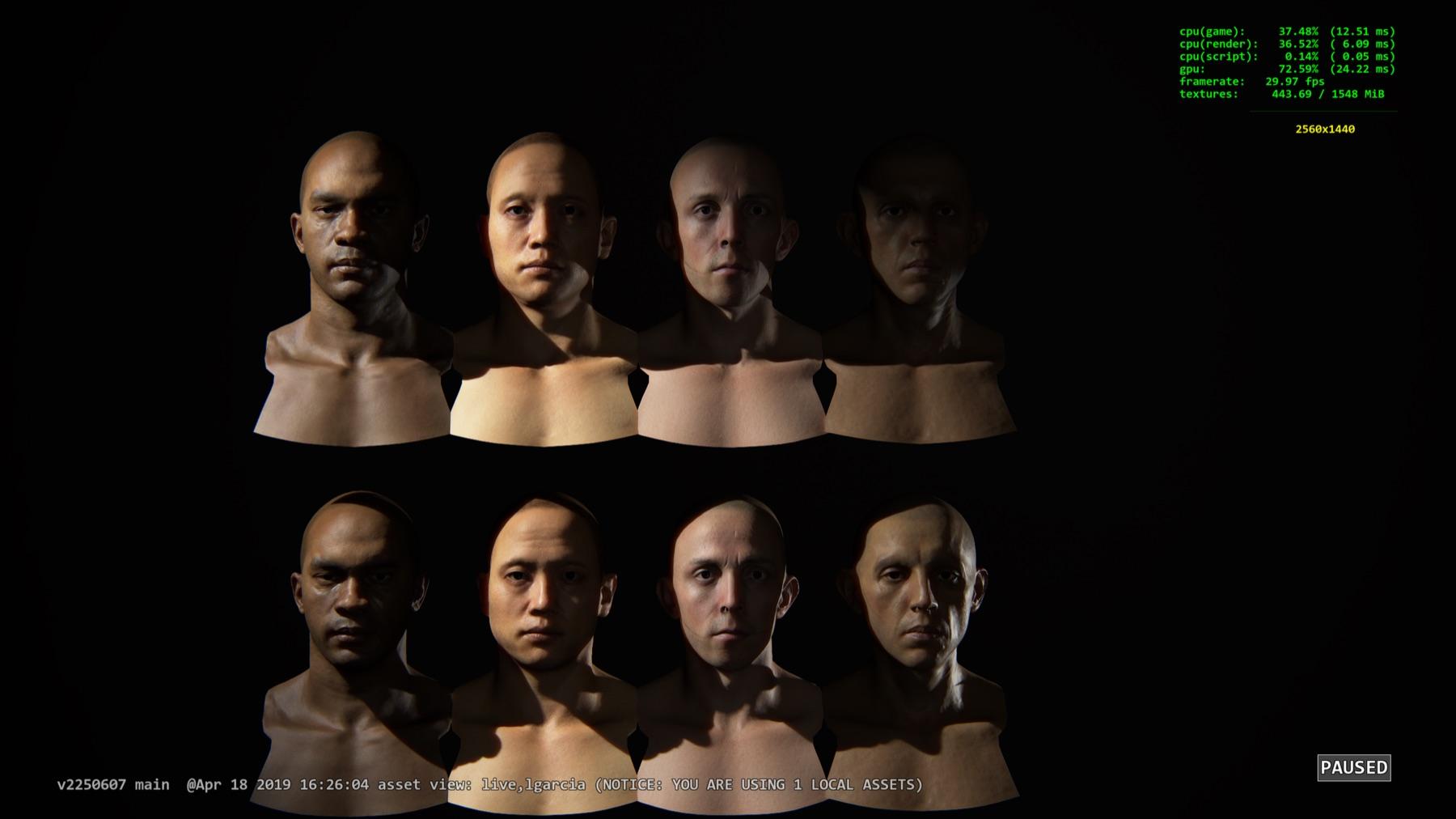
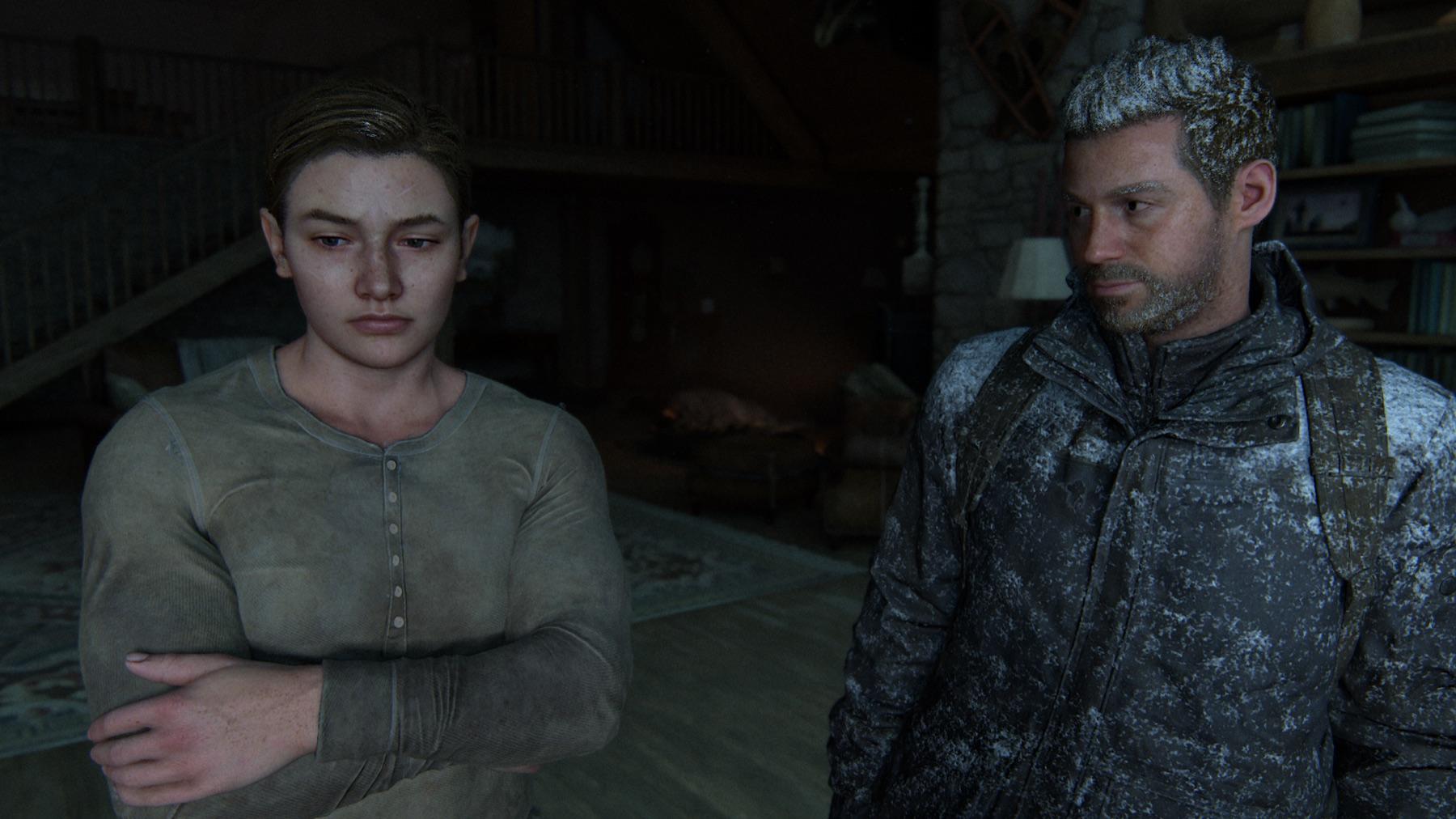
The unsung work — dozens of secondary characters carrying the same skin pipeline, each tuned for the lighting moments of their scenes.
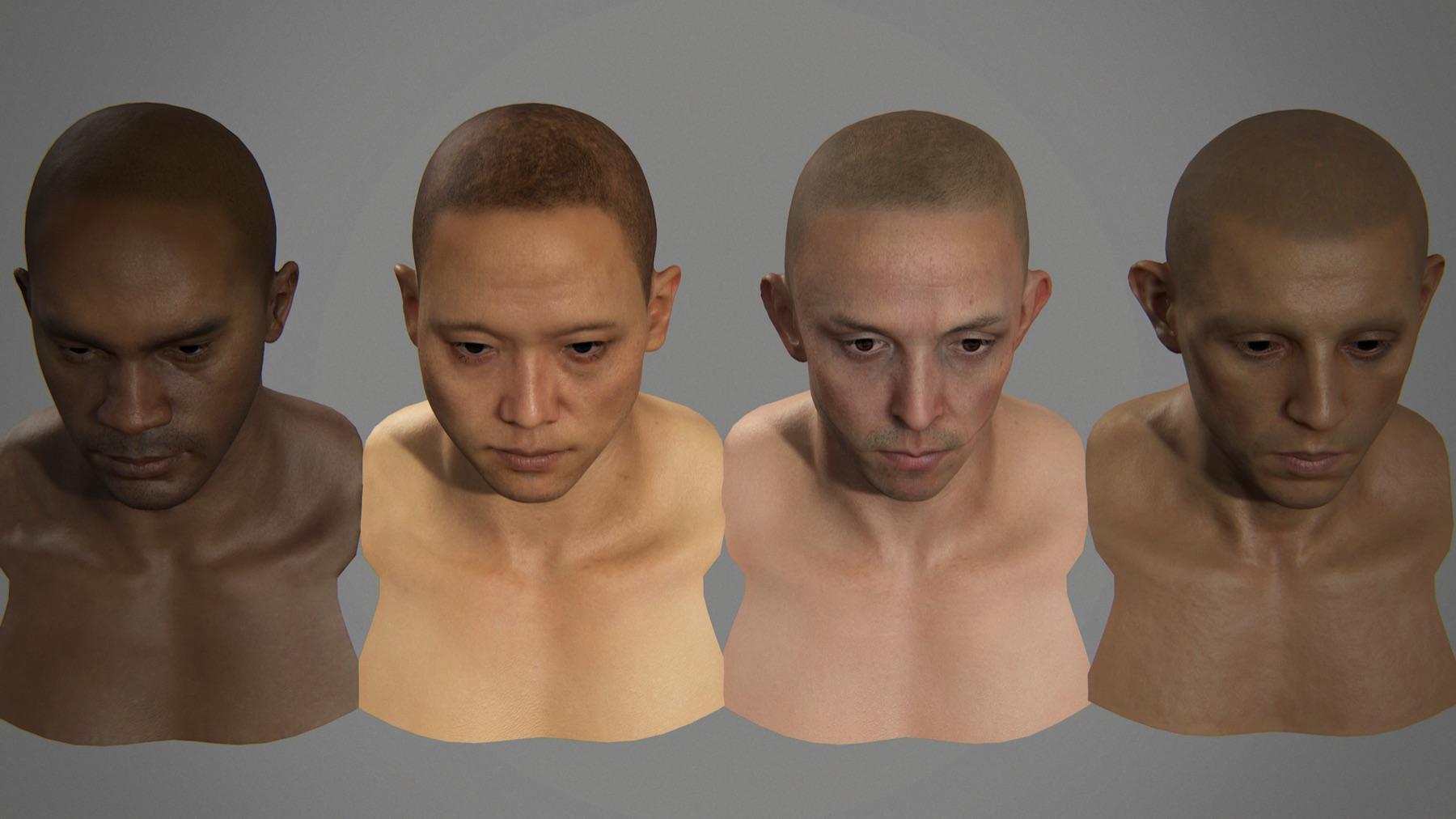
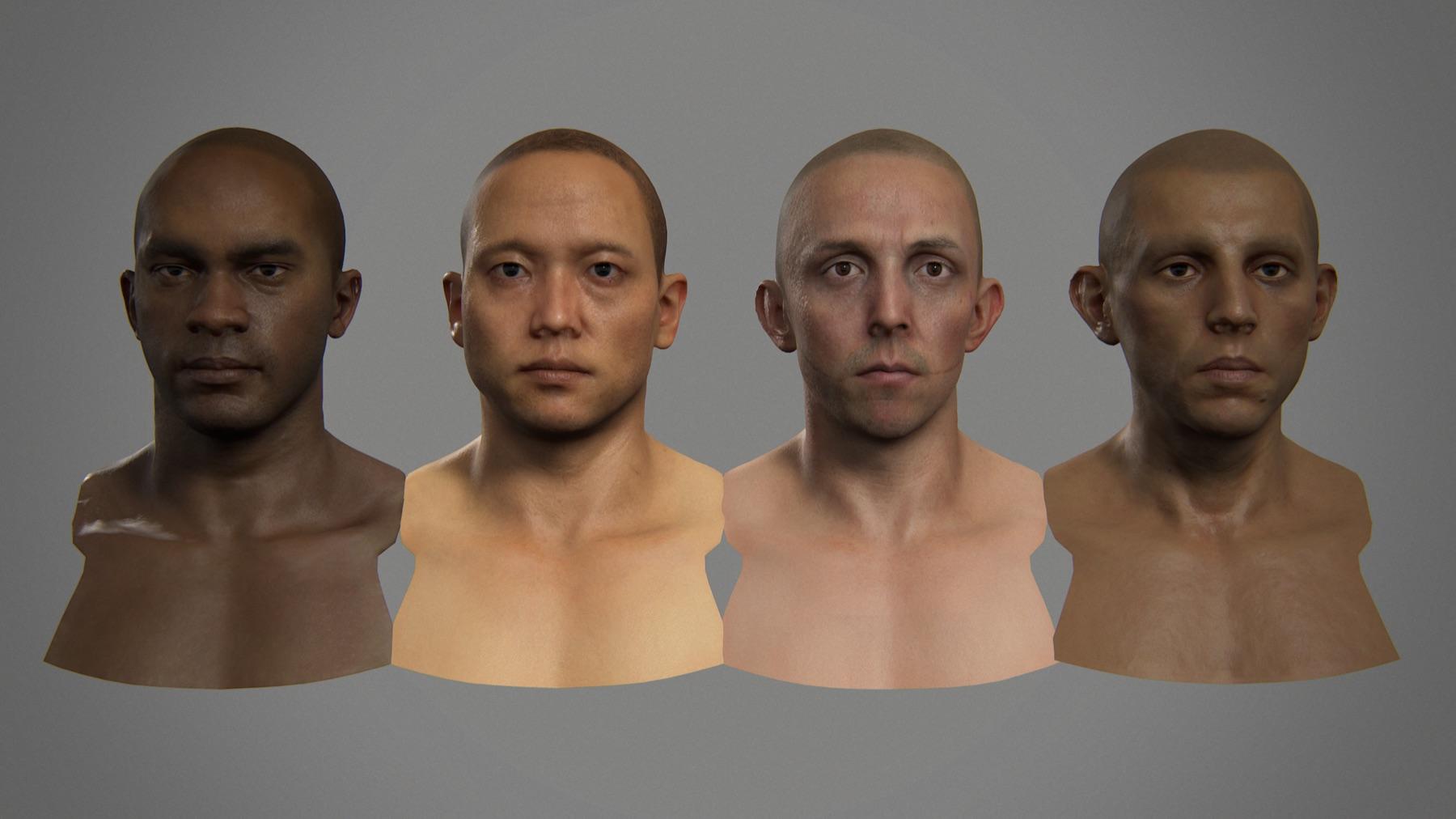
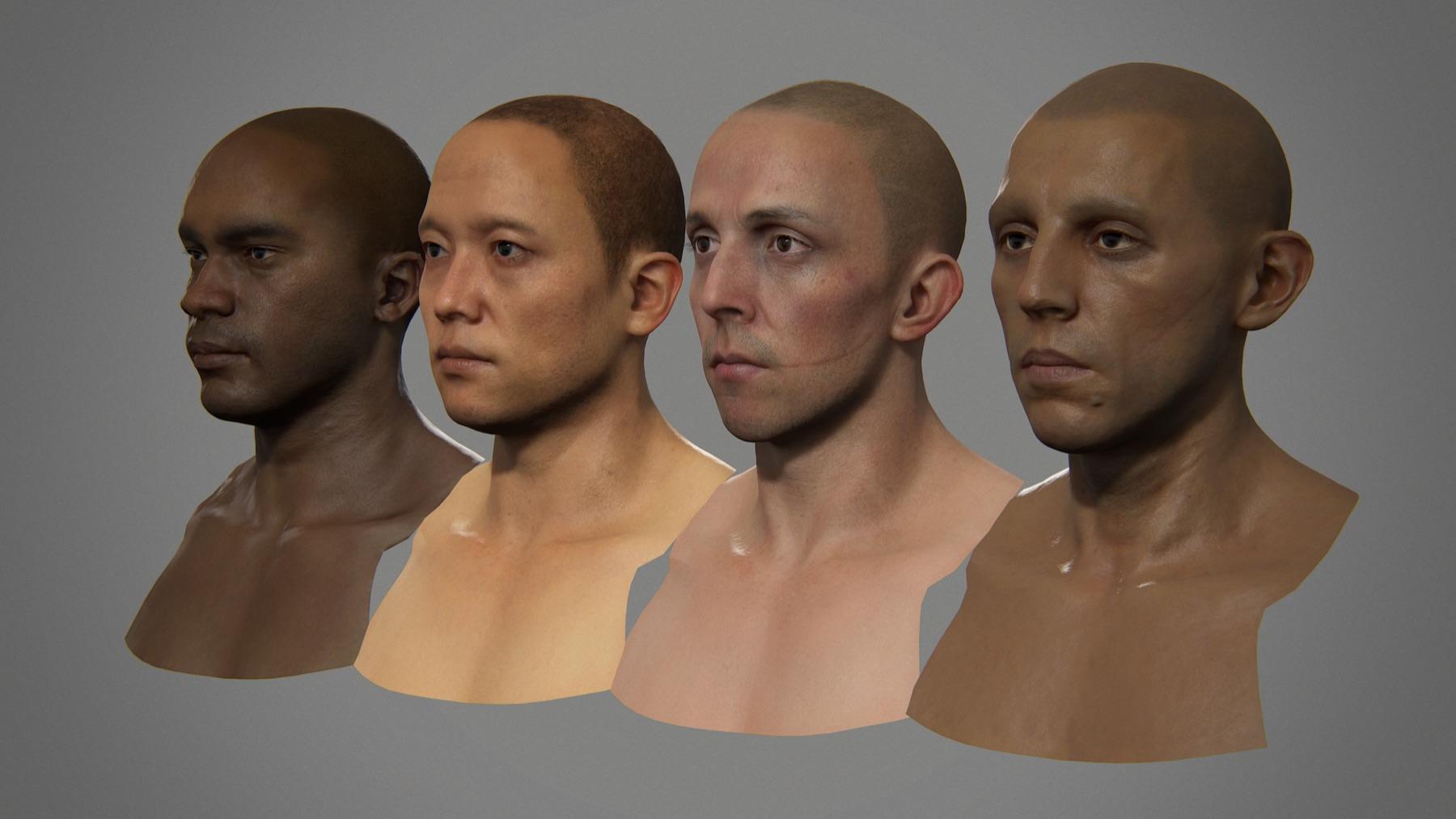
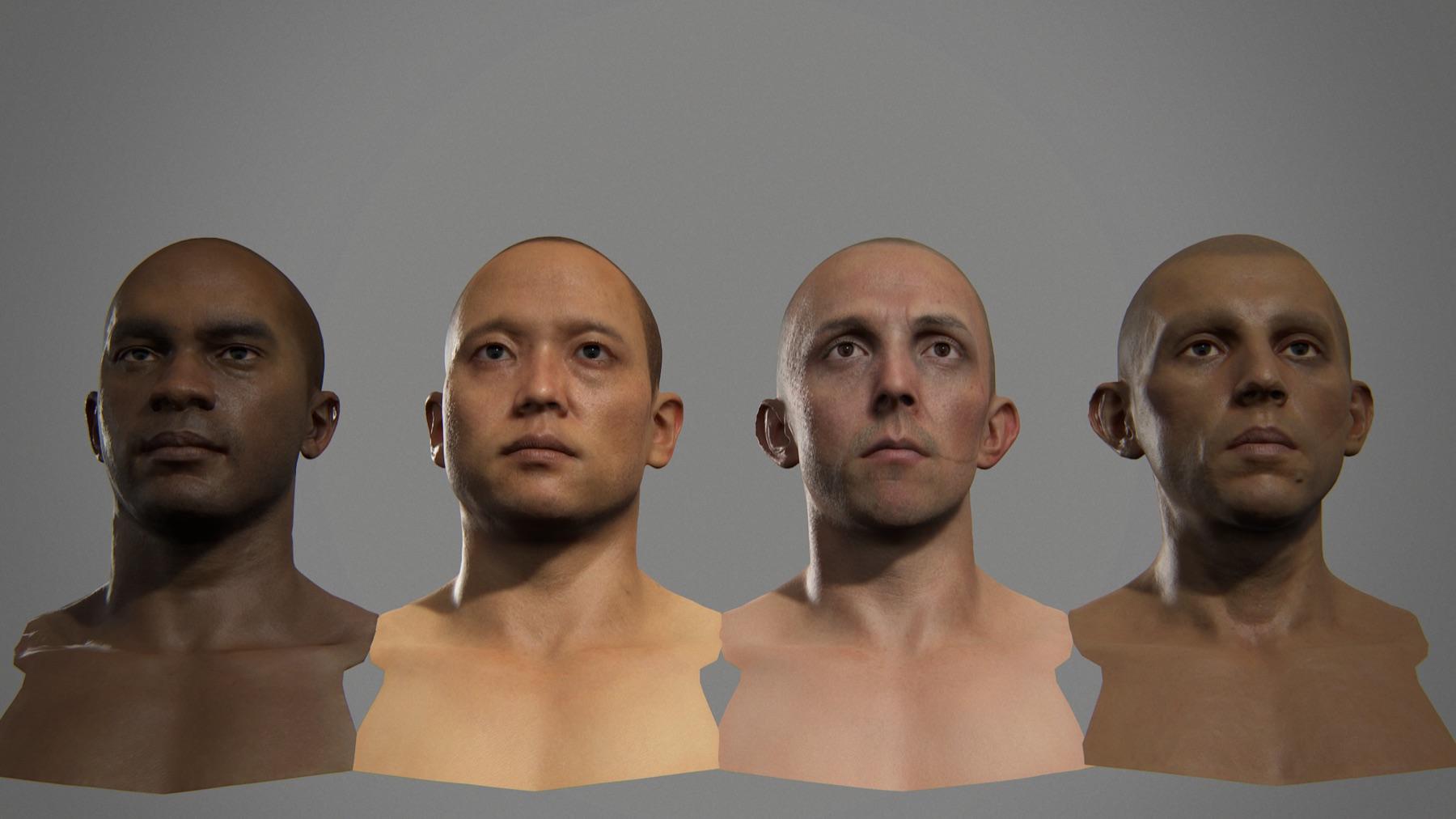
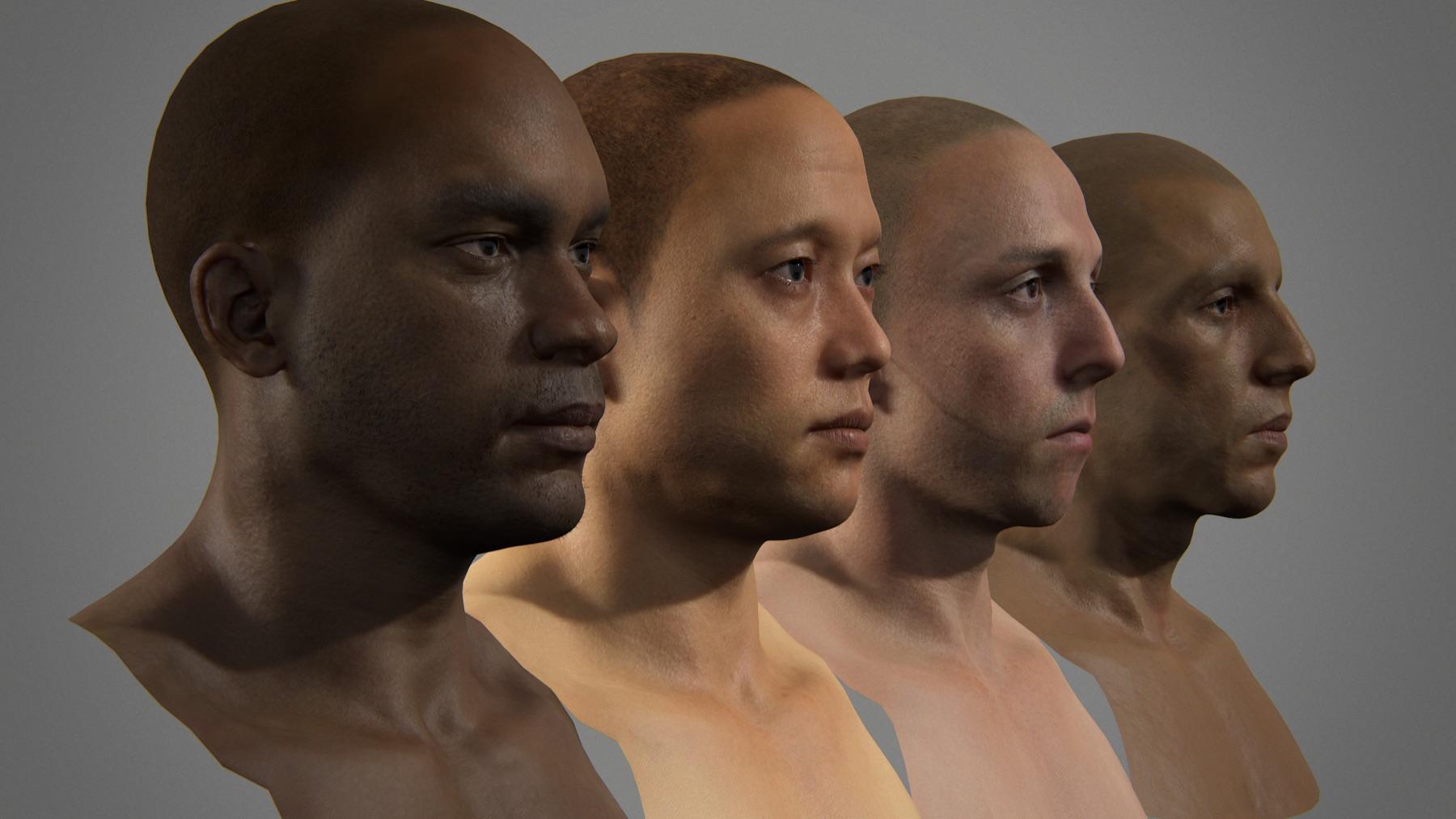
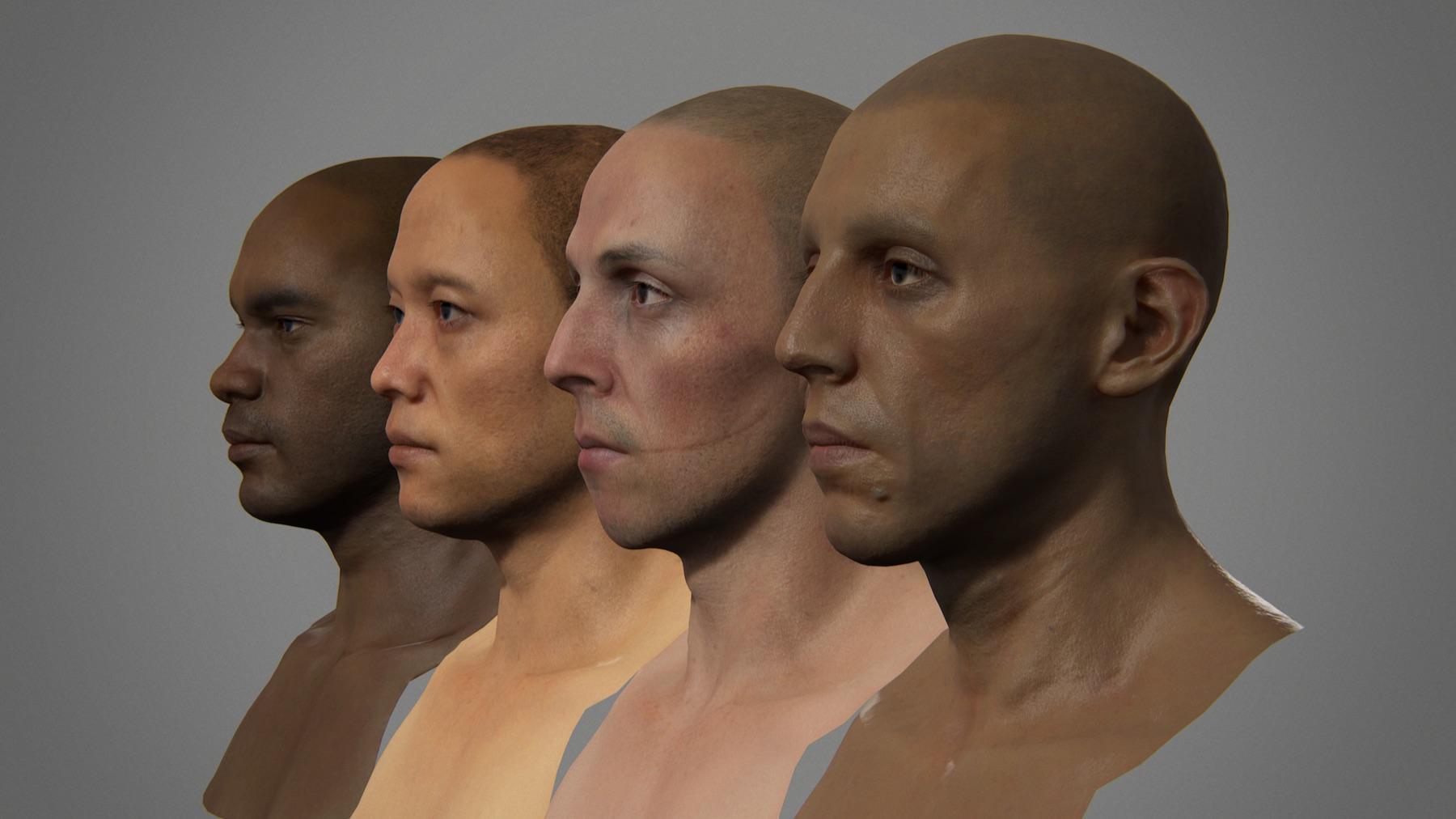
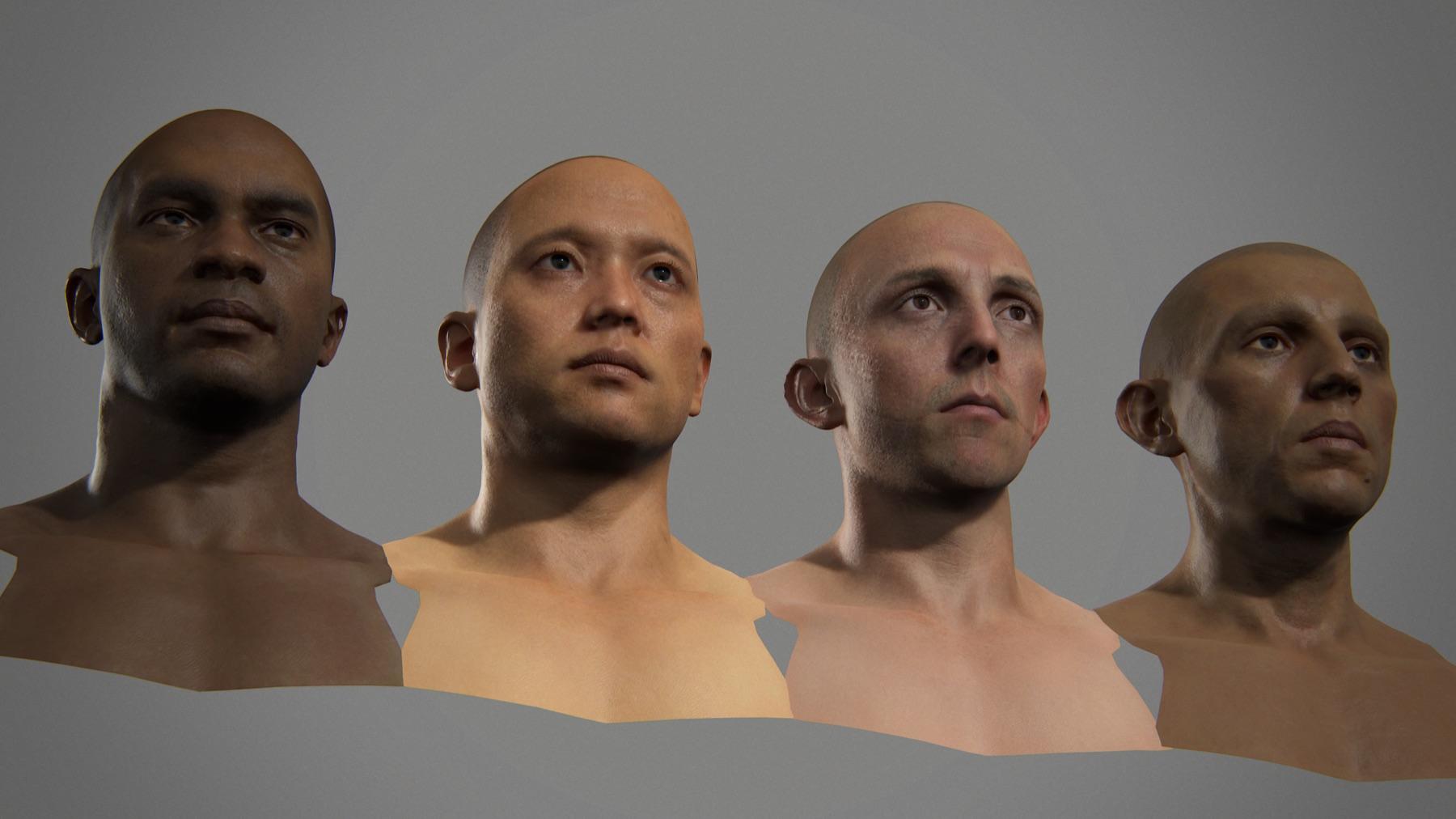
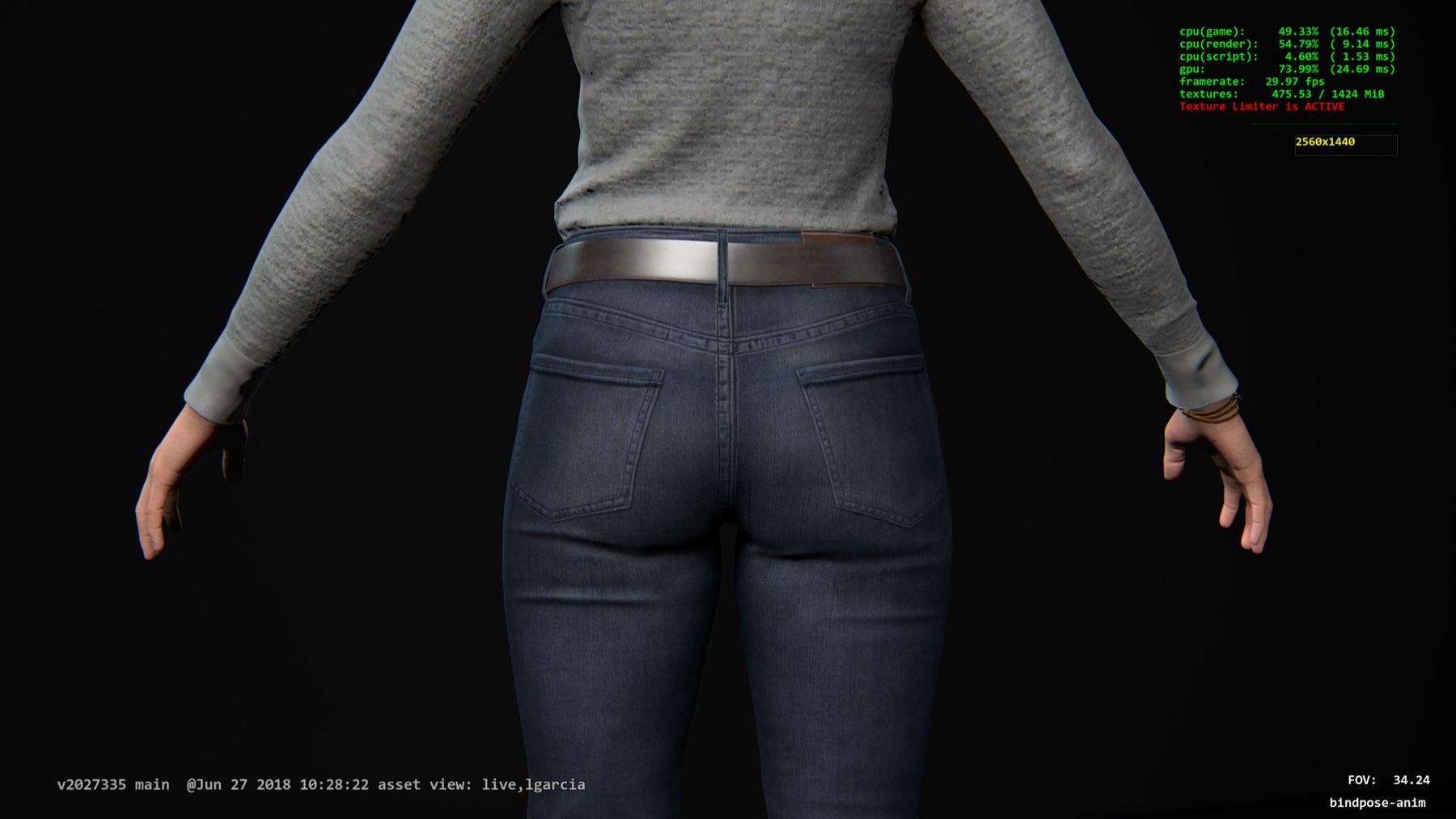
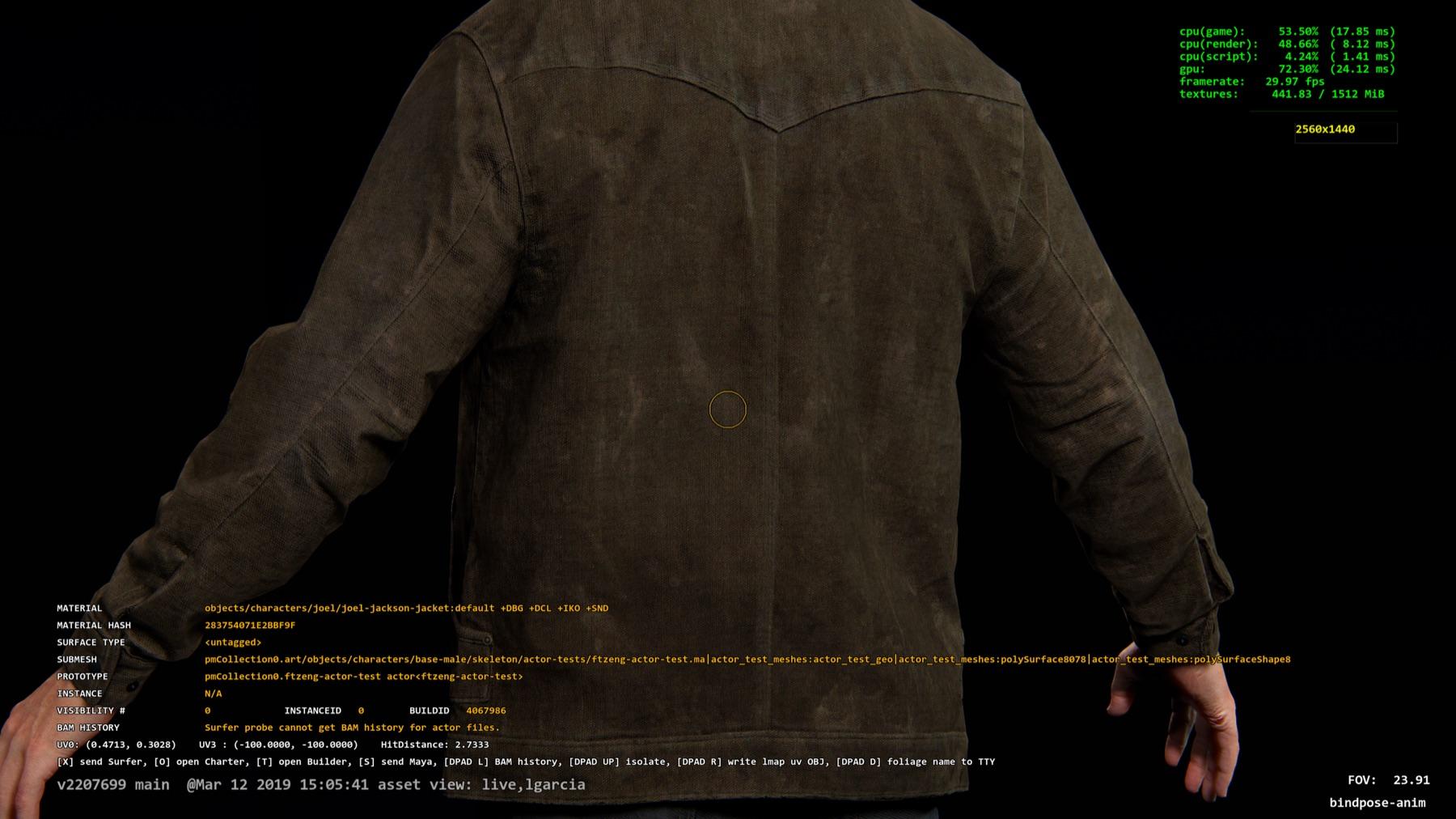
Worn denim, sweat-soaked cotton, military gear — fiber direction, anisotropic specular, and dirt as a first-class material, not a decal.

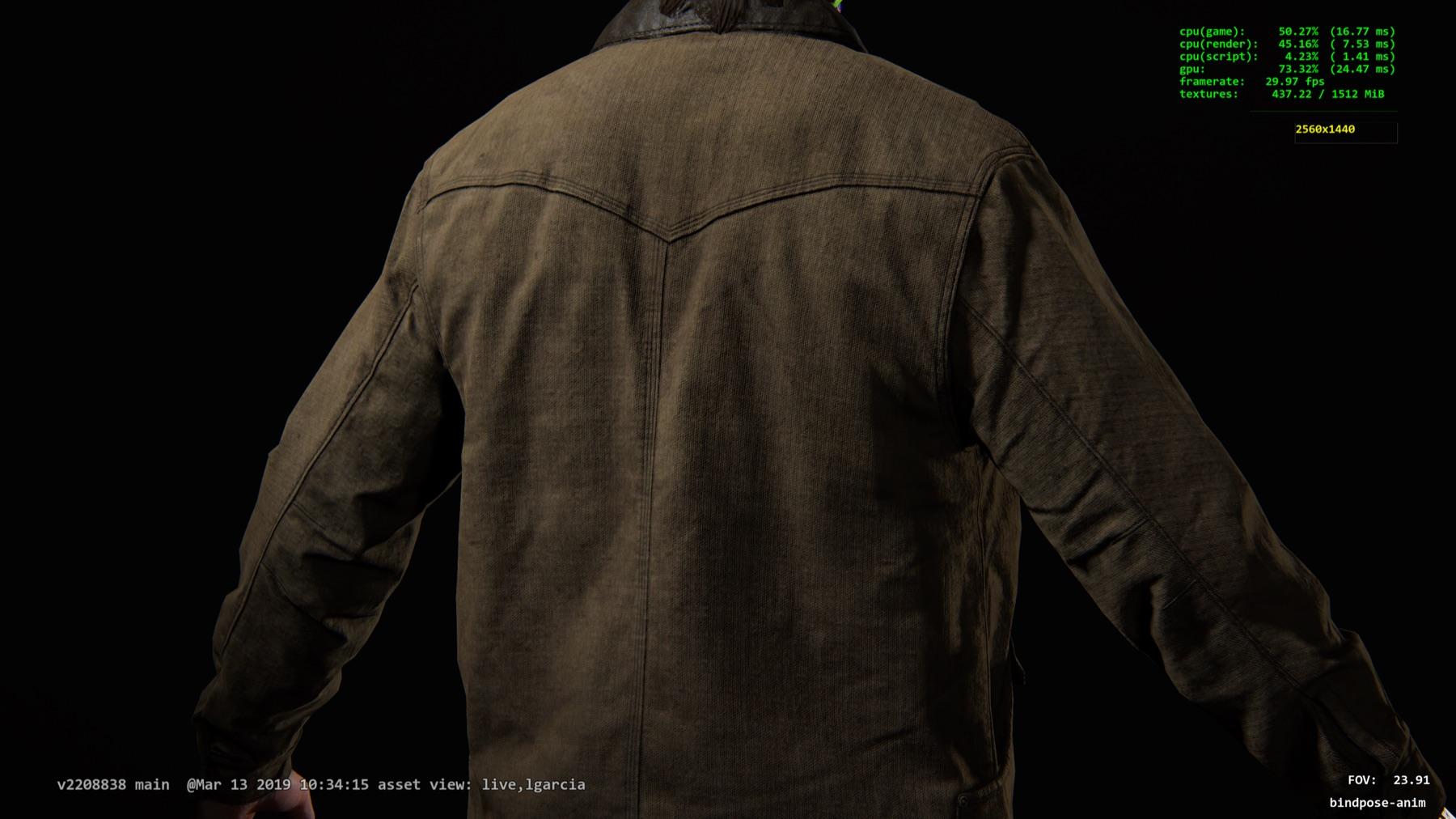
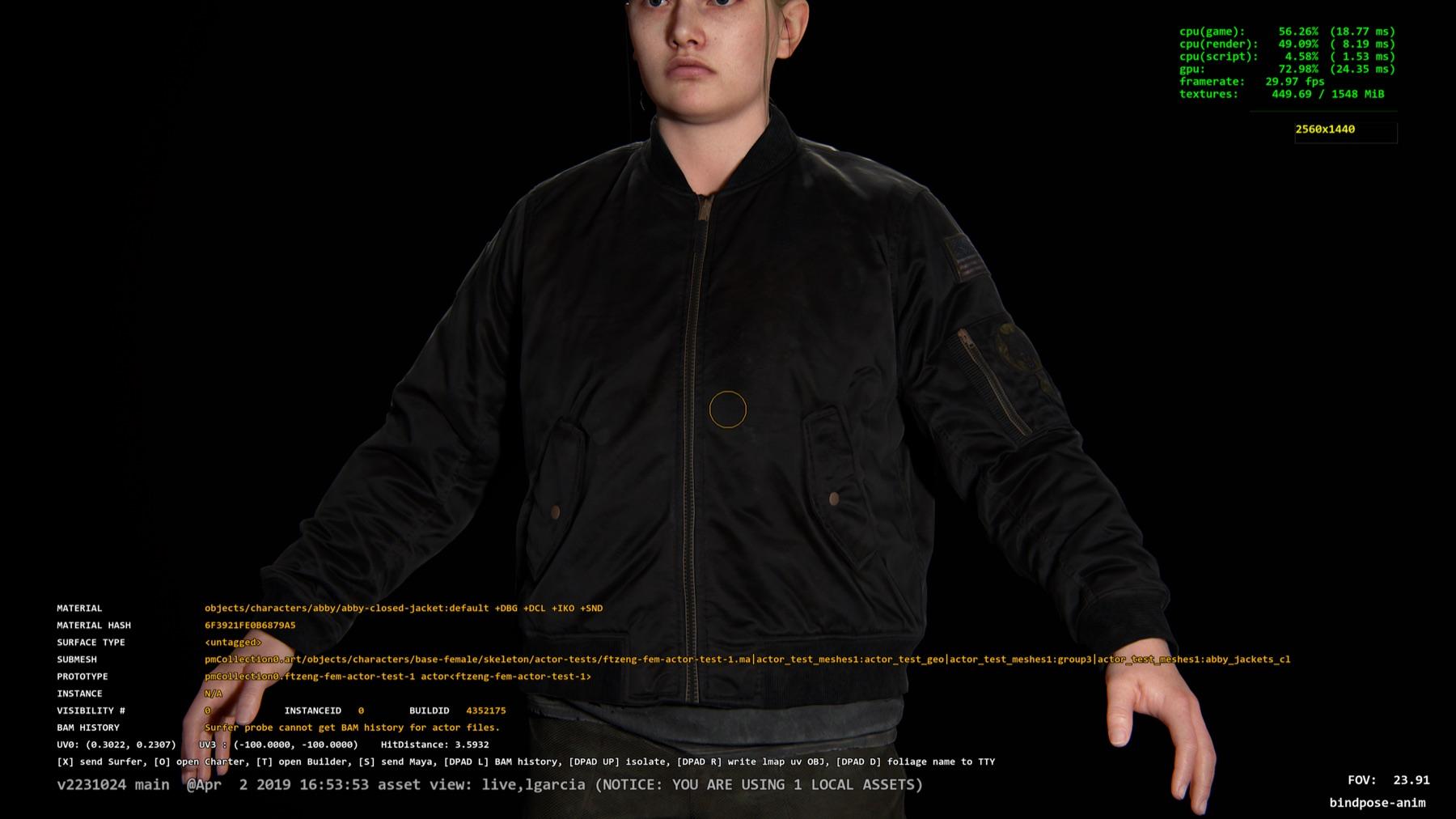

The opposite of clean. Damage states that read at distance and hold up to camera — from forensic-grade gore to particulate snow scattering.
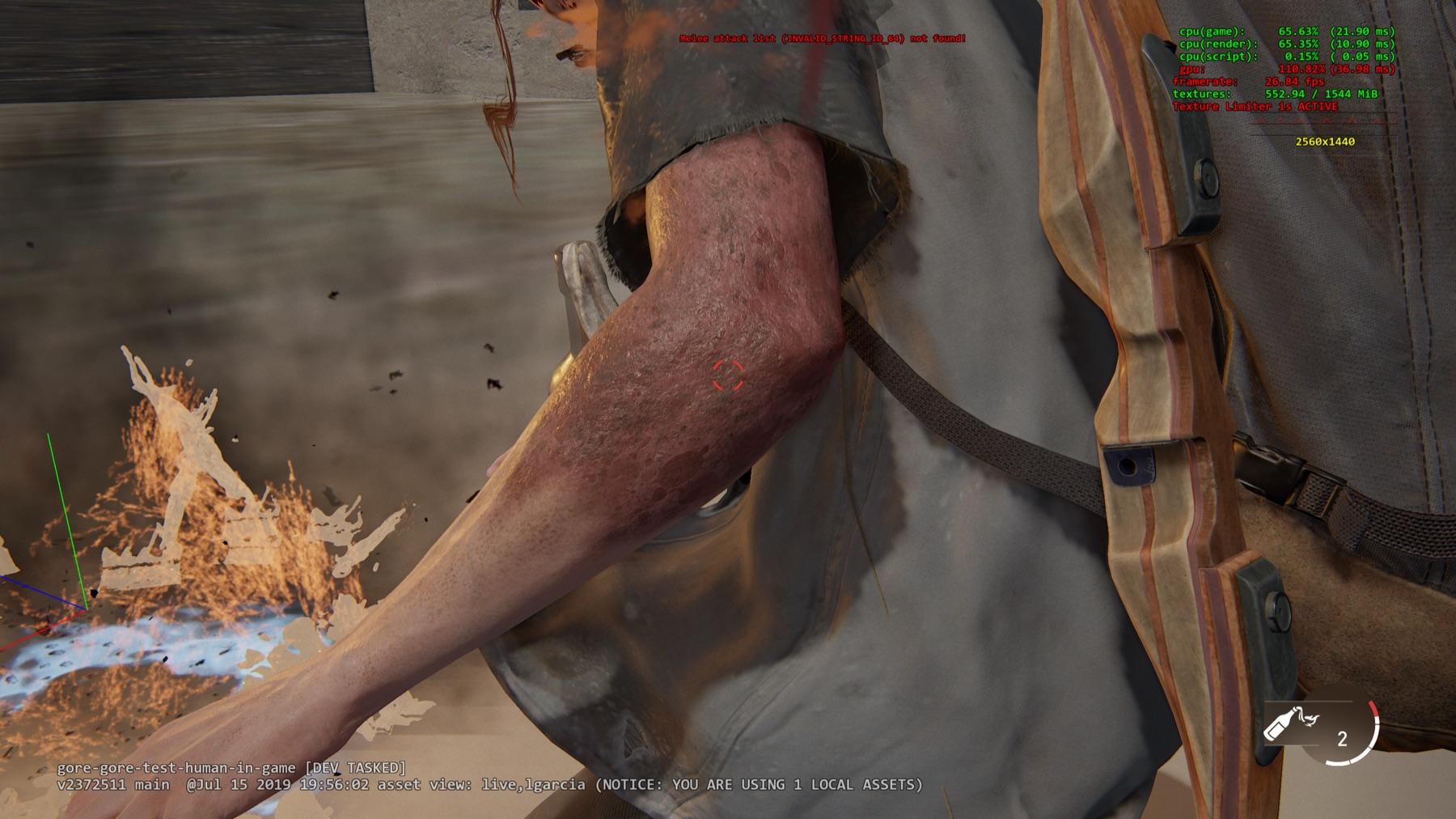
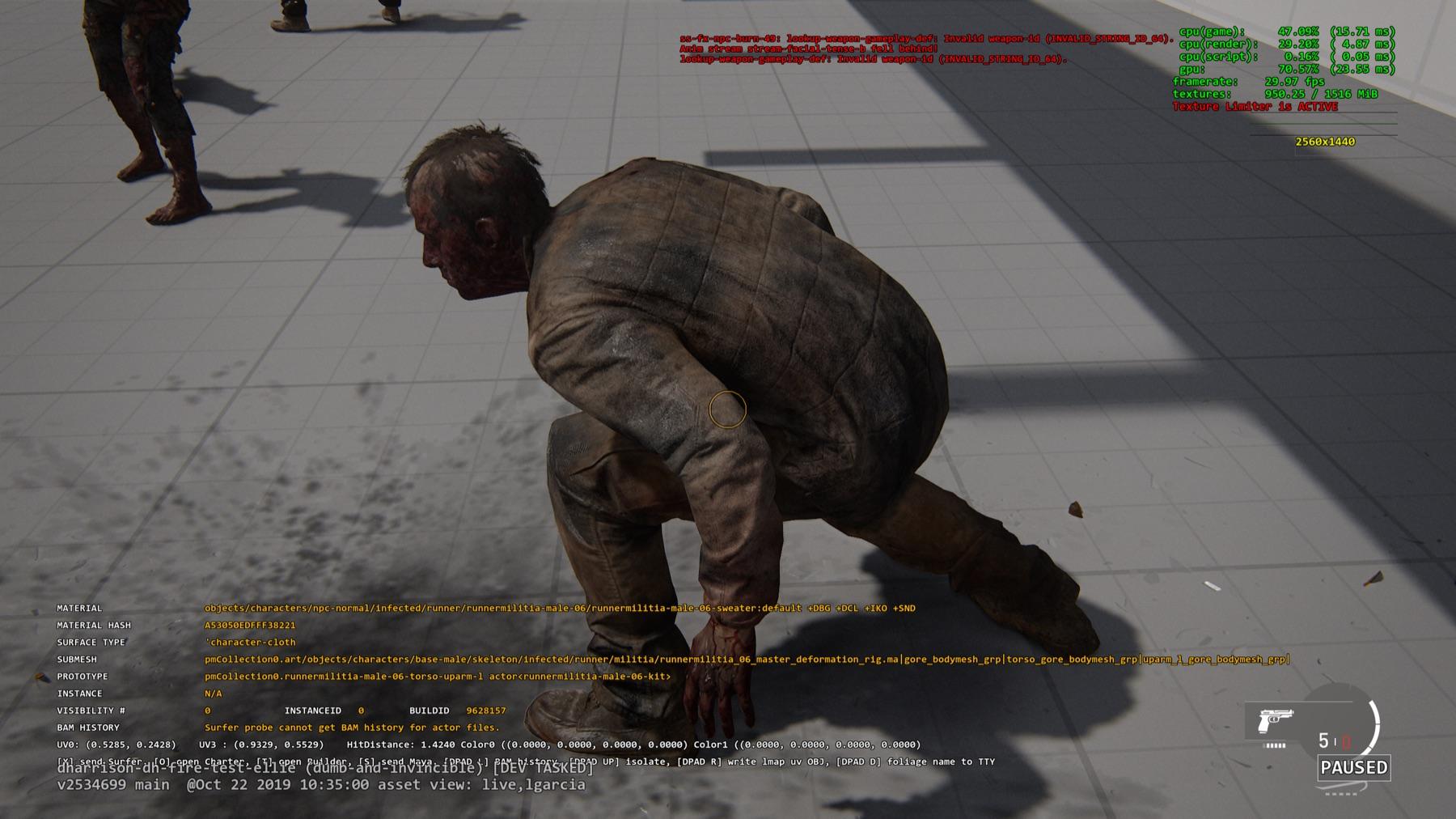
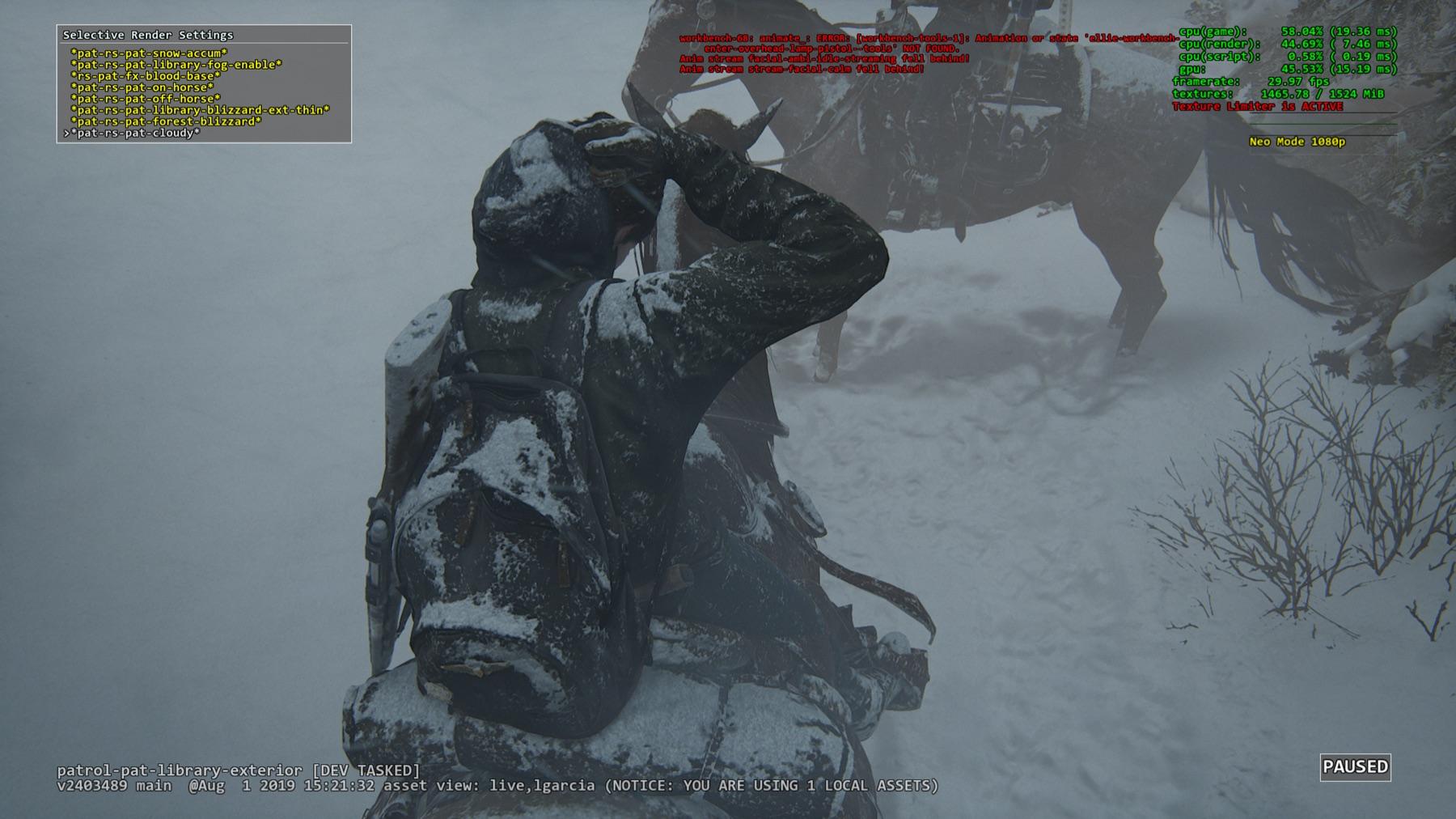
Procedural and authored wetness layered over the existing pipeline, preserving readability under heavy rain and underwater sequences.

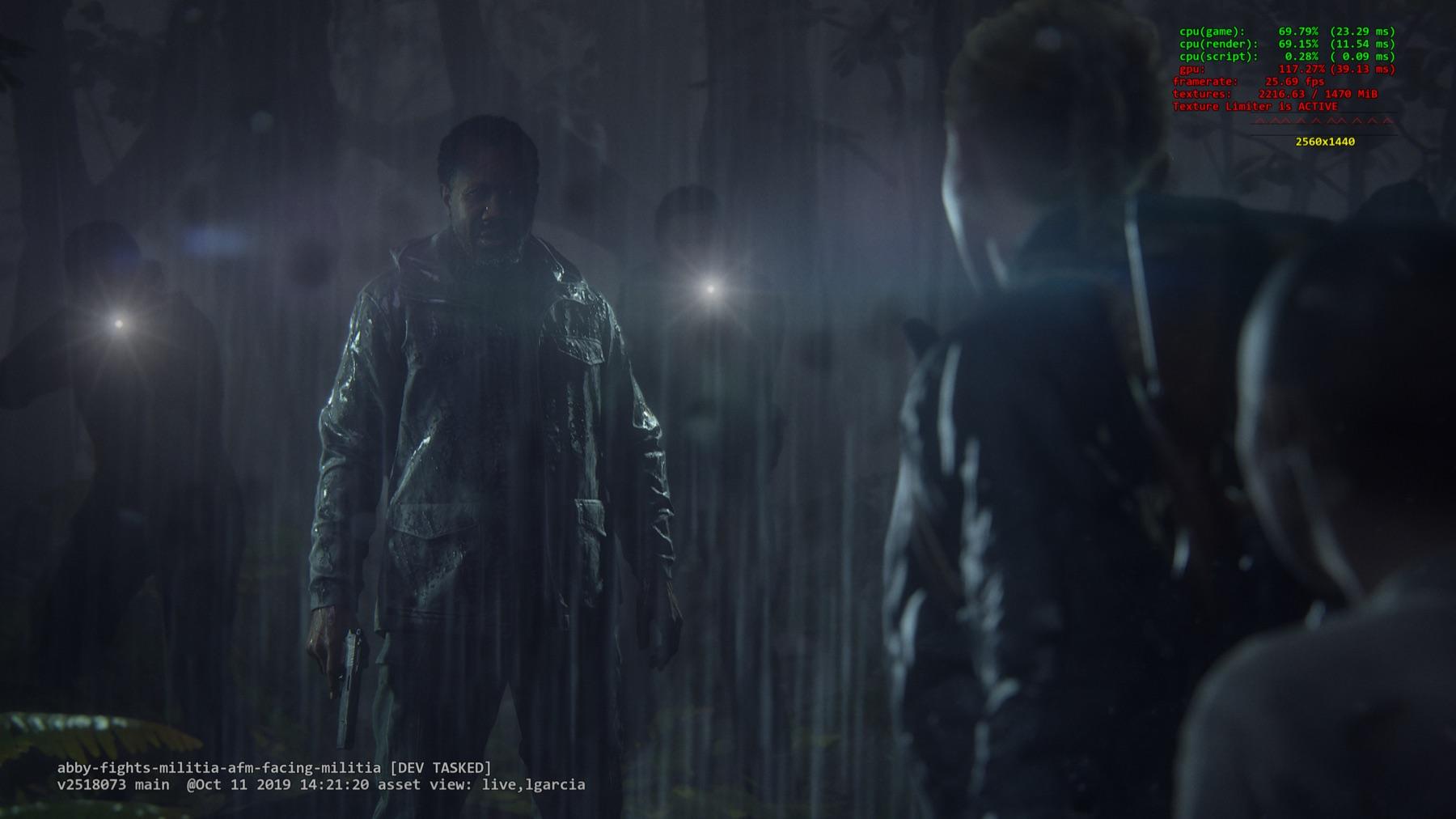

Physiological response treated as a rendering problem — blood flow, micro-pore sweat, capillary flush — driven by performance, not paint.
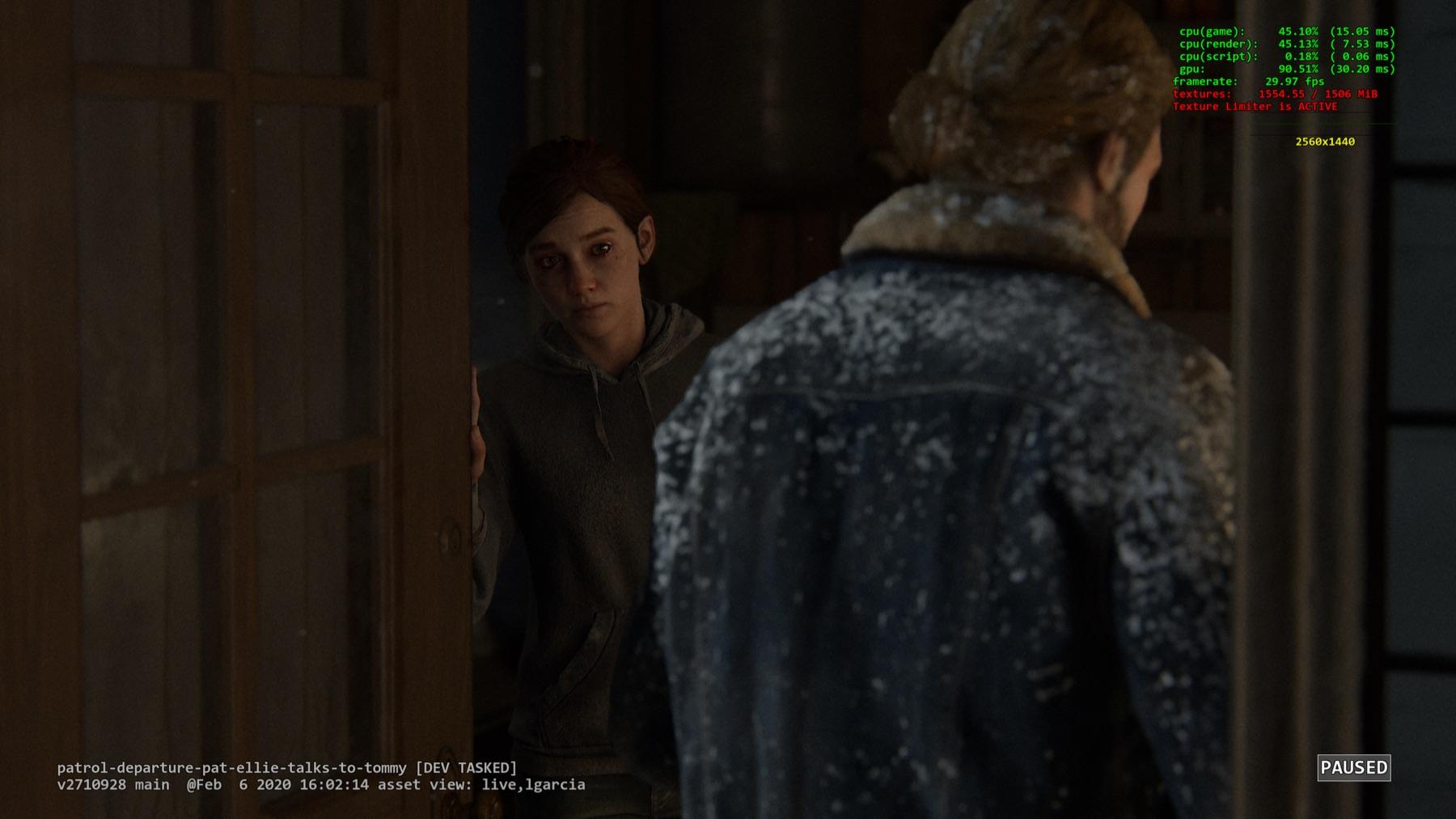

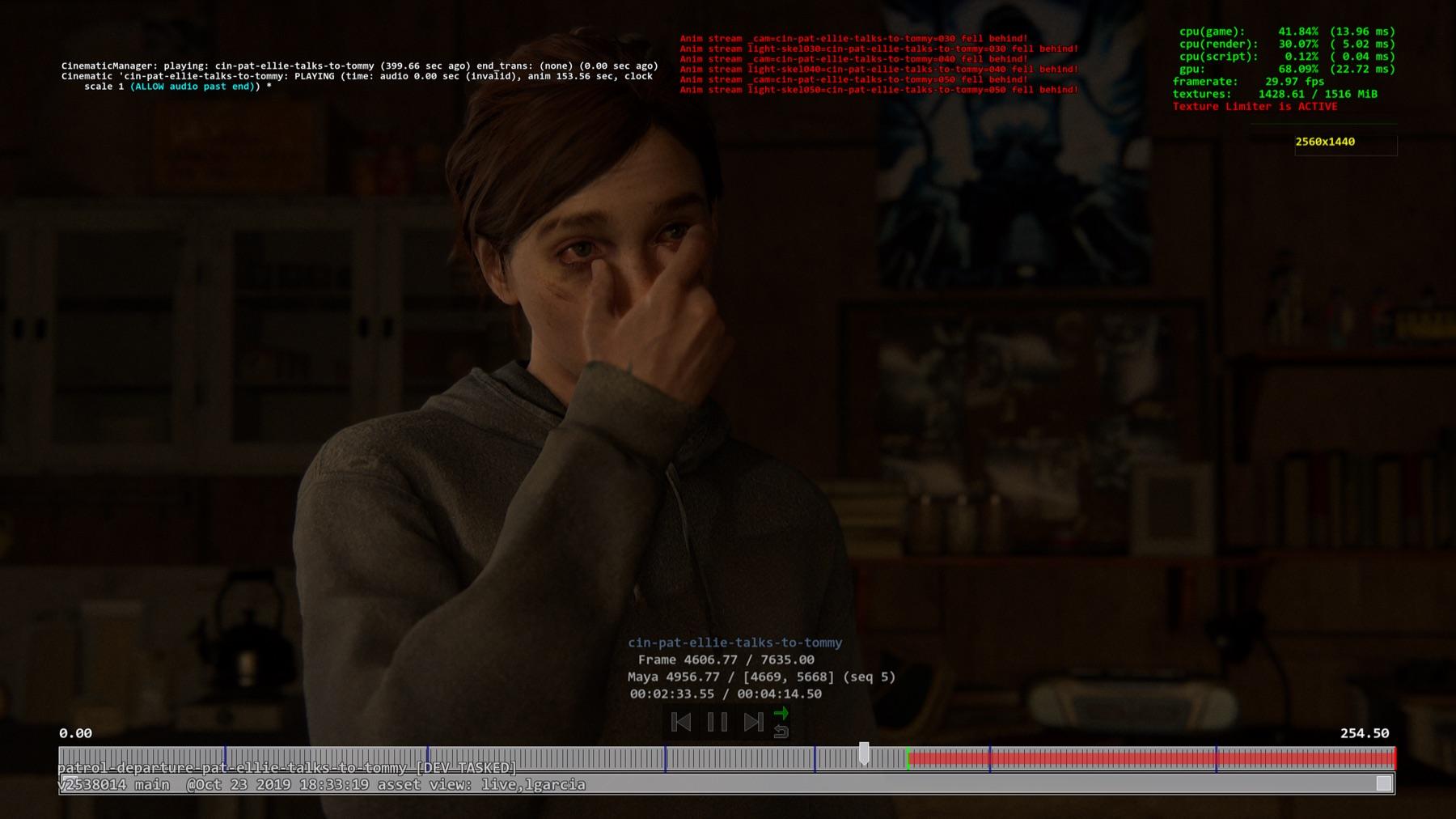
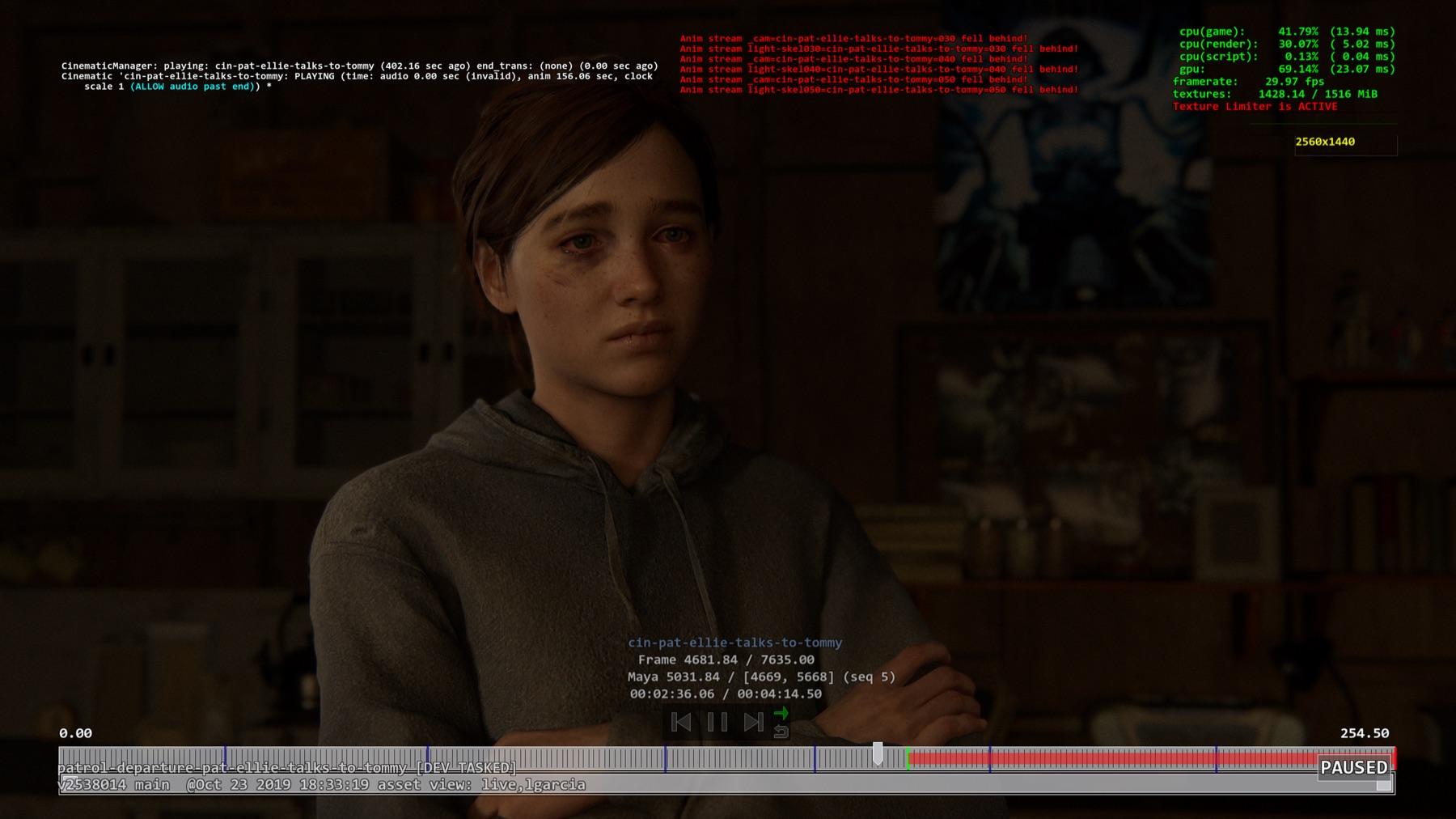
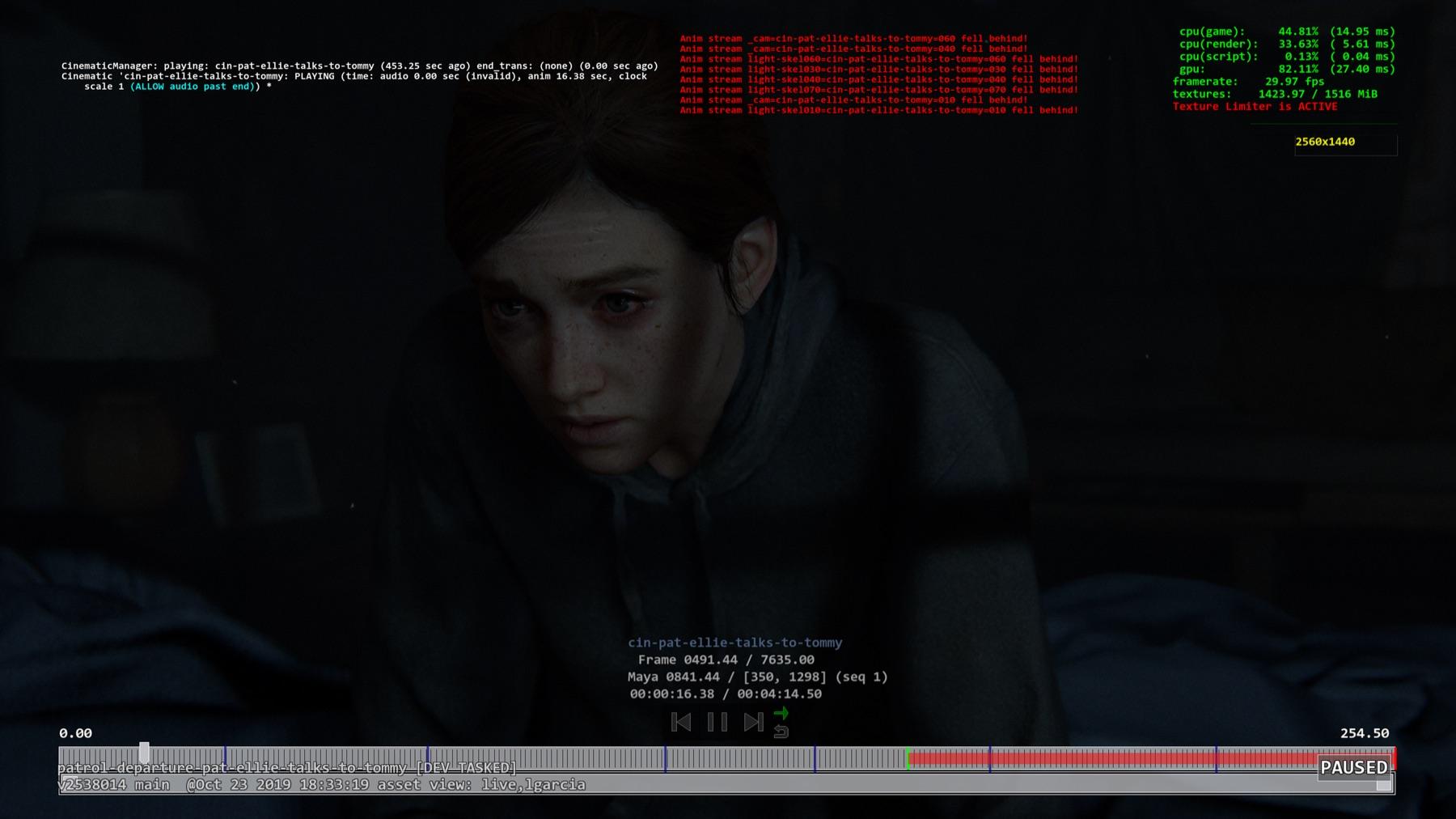
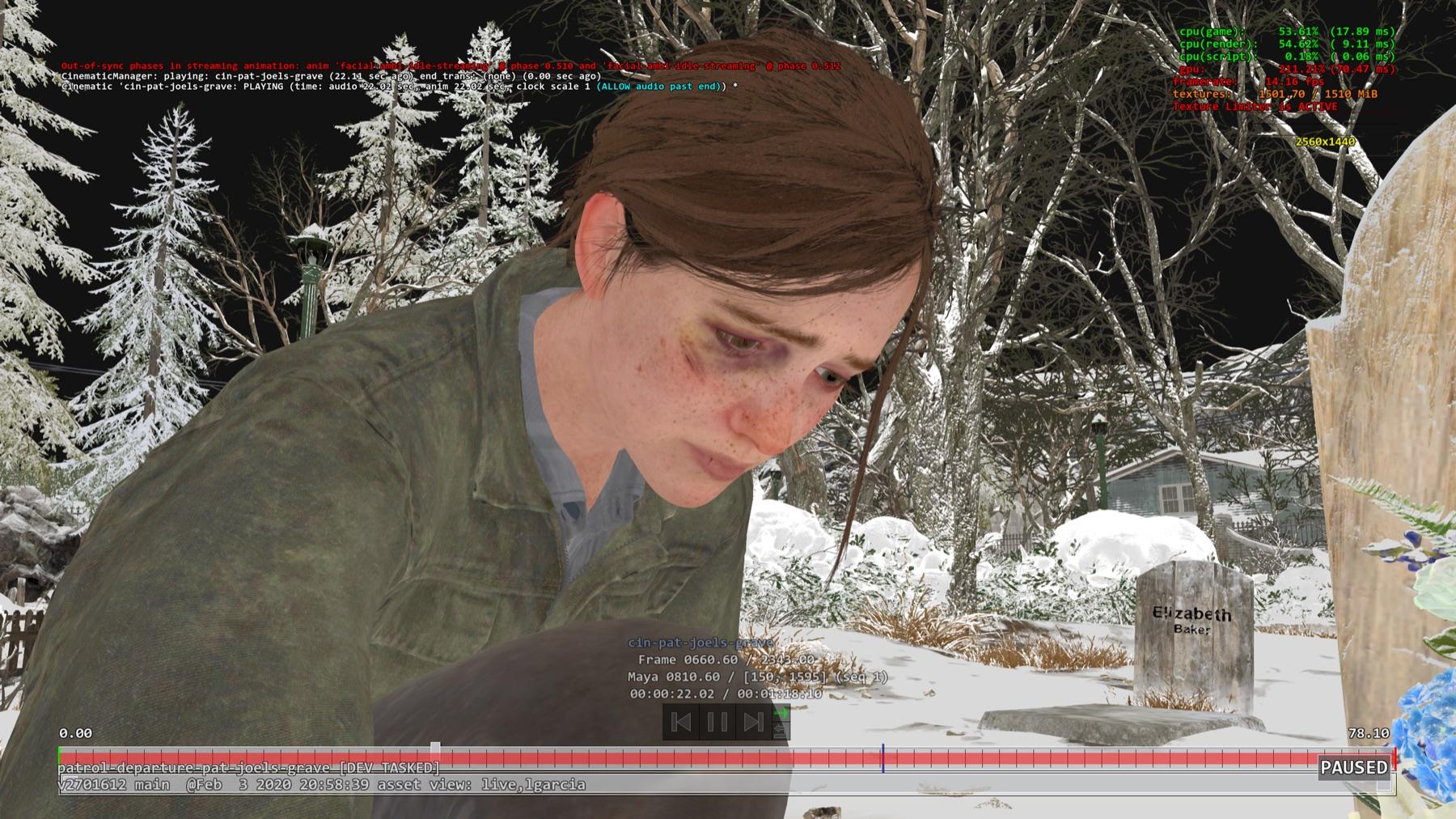
Things that didn't ship — but defined what came next.
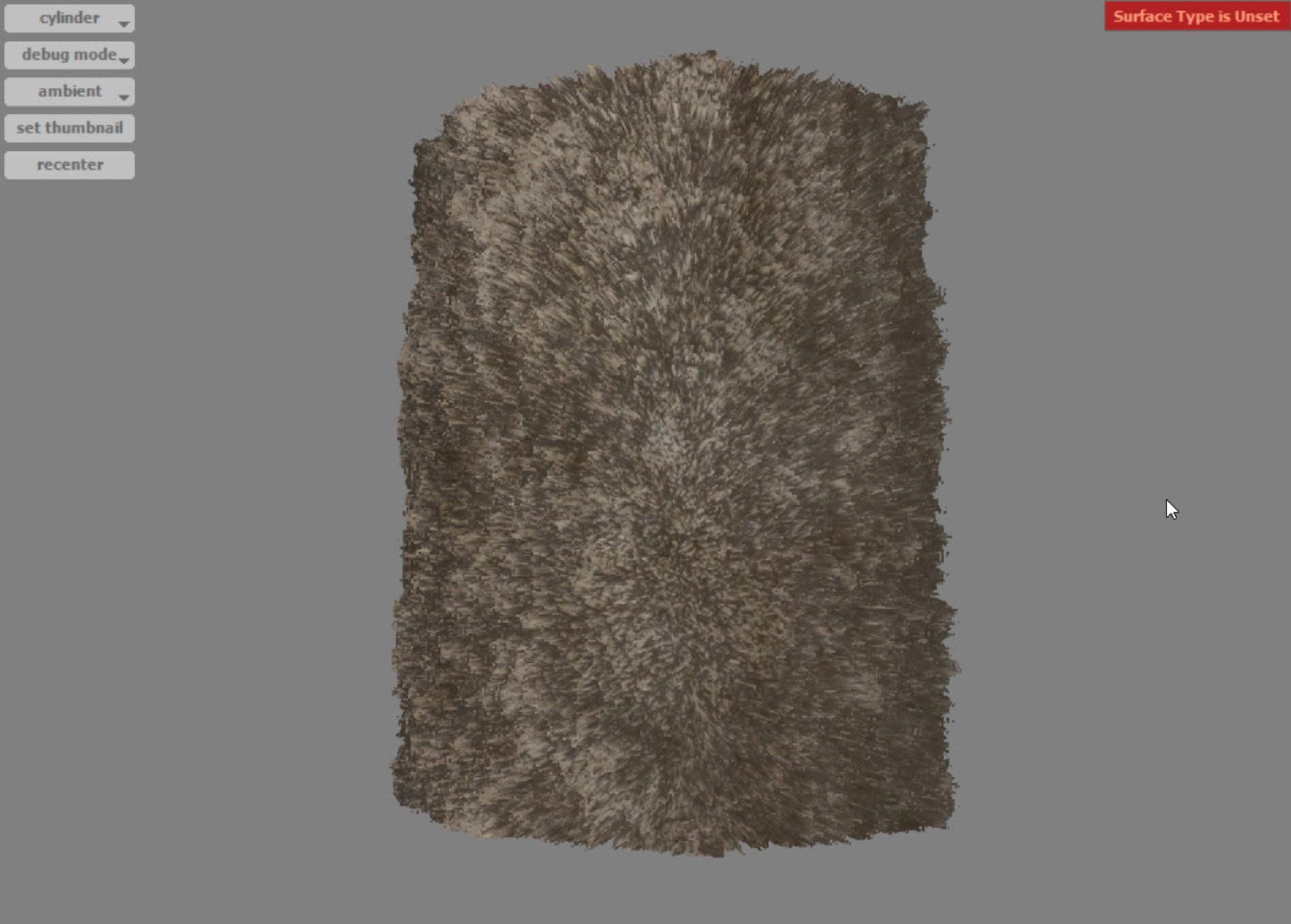
Where it began, film & feature VFX.